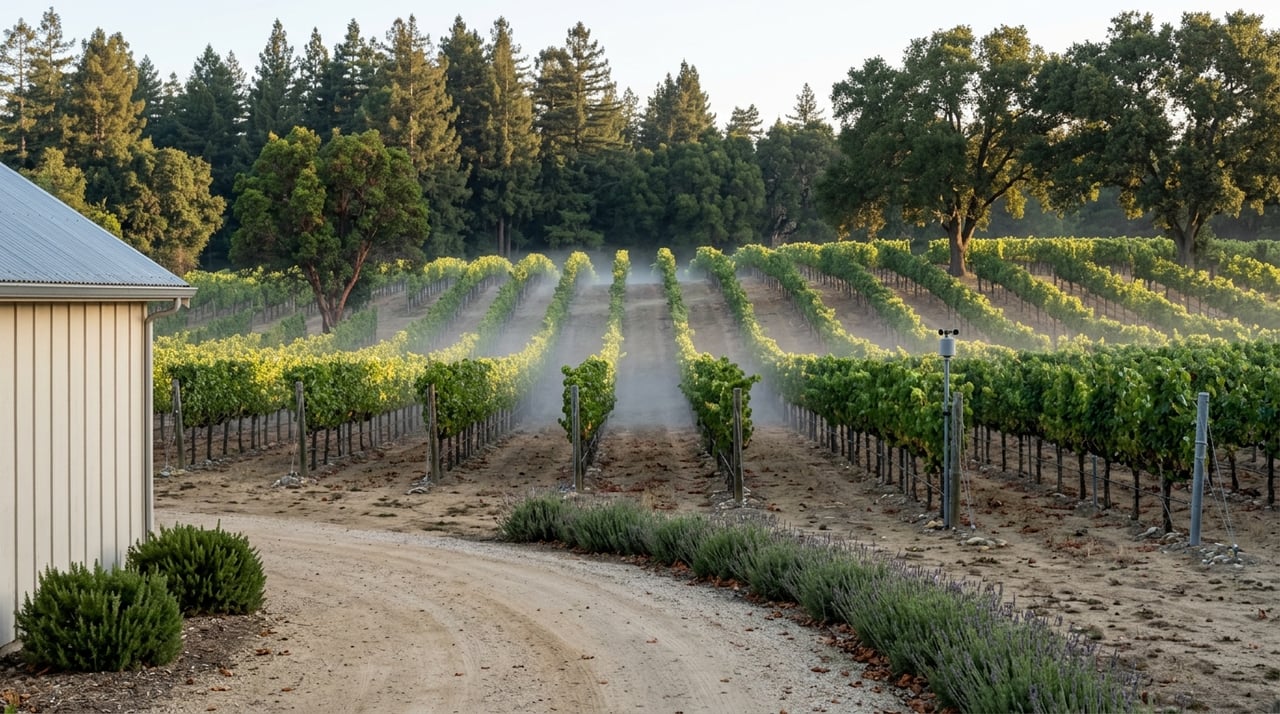
If you are searching for a vineyard in Russian River Valley, the label alone will not tell you enough. This is a region where fog, slope, soil, and exposure can change the feel and farming potential of a property from one pocket to the next. If you want to compare sites with more clarity, this guide will help you map the main options from a buyer’s point of view. Let’s dive in.
Why Russian River Valley Requires Careful Mapping
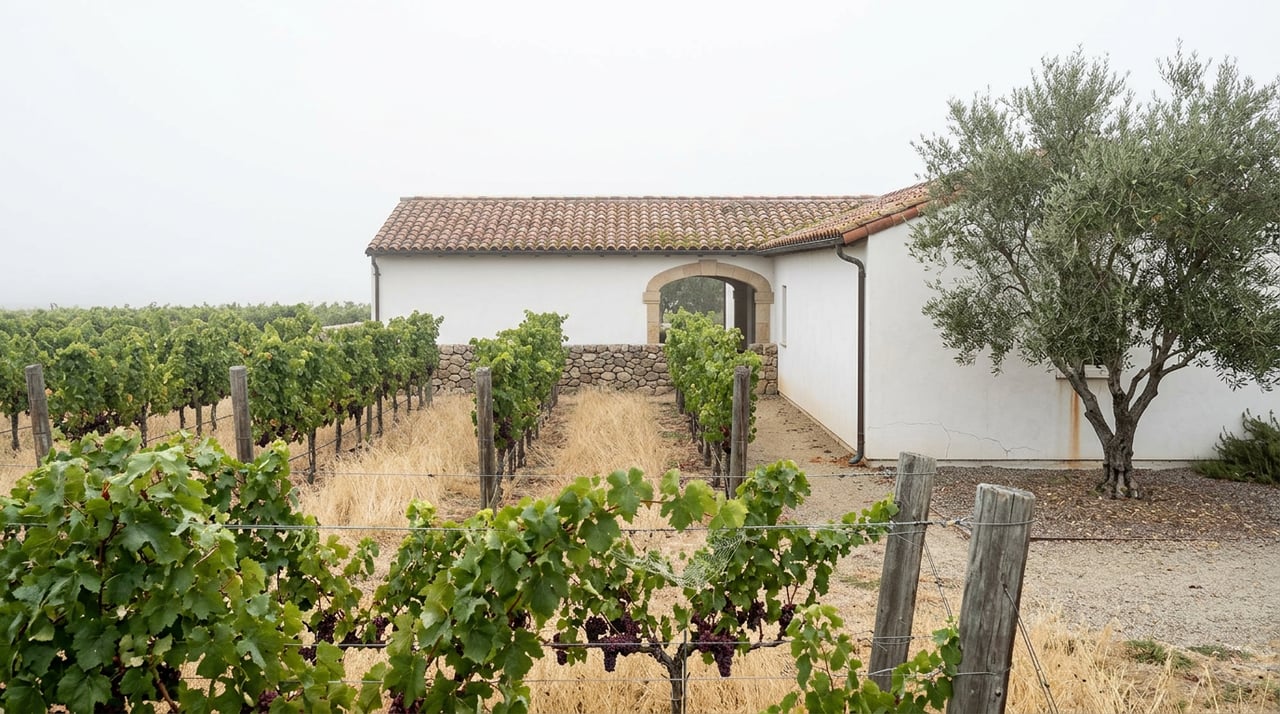
Russian River Valley is a federally defined AVA in Sonoma County, but it does not behave like one uniform corridor along the river. It is better understood as a cool-climate region shaped by fog moving inland from the coast through the Russian River and its tributaries. That broader climate pattern is what separates it from warmer nearby areas such as Dry Creek Valley, Alexander Valley, and Sonoma Valley.
For buyers, that means the real decision is not just whether you want a Russian River Valley address. The more important question is which kind of Russian River Valley site fits your goals. A valley-floor parcel with deeper fog influence can present very differently from a benchland or hillside property with earlier ripening and more exposure.
The region is also closely tied to Pinot Noir and Chardonnay. More than 70% of the grapes grown in Russian River Valley are those two varieties, though other grapes including Zinfandel, Merlot, Cabernet Sauvignon, Pinot Gris, and Gewürztraminer are also present. If your buying strategy centers on cool-climate identity, this AVA naturally moves to the top of the list.
Start With the Big Buyer Questions
Before comparing individual parcels, it helps to frame your search around a few site-level questions. These factors often matter more than the AVA name on paper.
- How much fog reaches the property, and how long does it linger?
- Is the site on valley floor, benchland, or hillside terrain?
- What are the slope, elevation, and drainage patterns?
- Which soil series are present?
- Are you prioritizing Pinot Noir and Chardonnay, or do you want broader varietal flexibility?
- Do you value legacy plantings, earlier ripening, or a stronger cool-climate story?
This is where Russian River Valley becomes a mapping exercise. Once you know what matters most, the sub-areas start to come into focus.
Russian River Valley Neighborhoods to Compare
Russian River Valley Winegrowers commonly describes the AVA through six neighborhoods. Those neighborhood names are useful in the market, even though legal boundaries still follow AVA definitions. For buyers, the distinction matters because local conversation may use neighborhood language while regulatory use follows official AVA lines.
Middle Reach
Middle Reach sits near southern Healdsburg and Dry Creek Valley and is the neighborhood closest to the Russian River itself. It is known for some of the appellation’s oldest grapevines, and wines from this area are often described as textured, ripe, and less aromatic.
If you are drawn to established plantings and long-term provenance, Middle Reach deserves close attention. This is often less about raw acreage and more about legacy value, site history, and the credibility that can come with mature vineyard character.
Green Valley of Russian River Valley
Green Valley is one of the clearest cool-climate choices inside the broader Russian River Valley. It has its own AVA designation and is defined by strong fog influence, Goldridge soil, and terrain that stays notably cool. Once fog arrives, it tends to linger, and the area is known for good drainage and a strong Pinot Noir and Chardonnay identity.
For many buyers, Green Valley is the classic premium cool-climate play. If your goal is a vineyard with acidity, finesse, and a recognizable site story tied to cool conditions, this is usually one of the first areas to evaluate.
Laguna Ridge
Laguna Ridge sits south of the Russian River near Forestville and overlooks the Laguna de Santa Rosa. The neighborhood is associated with Goldridge and Altamont soils and cool temperatures, with Pinot Noir often showing both richness and structural backbone.
For a buyer, Laguna Ridge can be appealing when you want premium Pinot with texture and ageability. It offers a useful middle ground for those who want cool-climate credibility but also care about structure and longevity in the vineyard story.
Santa Rosa Plains
Santa Rosa Plains is the part of Russian River Valley closest to Santa Rosa, on the east side of the Laguna de Santa Rosa. It is especially known for some of the valley’s oldest Zinfandel plantings, with shale, sandstone, and clay soils contributing to a distinct expression.
If you want more than a pure Pinot Noir or Chardonnay focus, Santa Rosa Plains may open up more possibilities. It stands out as one of the clearest options within Russian River Valley for buyers who want broader varietal flexibility.
Sebastopol Hills
Sebastopol Hills is described as the coolest sub-region in the AVA. It spans areas east and west around the southwest side of Sebastopol and is largely defined by Goldridge soils and a strong cool-climate profile.
For buyers targeting premium Pinot Noir or Chardonnay, Sebastopol Hills can be one of the strongest site-selection plays in the region. It is especially compelling if your priorities include polished acidity and a distinctly cool-site identity.
Eastern Hills
Eastern Hills follows the western edge of the Mayacamas range and is the northernmost neighborhood in this framework. It has the least fog influence of the six, with both volcanic and sedimentary soils, and west-facing vineyards here receive warm afternoon temperatures and tend to ripen earlier.
This area can make sense if you are looking for hillside exposure, earlier ripening, and more soil diversity. Compared with the deeper fog pockets farther west and south, Eastern Hills offers a different expression of Russian River Valley.
Why Chalk Hill Belongs in the Conversation
Chalk Hill is a separate AVA contained within Russian River Valley, and for buyers near Windsor or northern Sonoma County, it is a very important comparison point. It is near Windsor, includes steep benchland and hillside terrain, and is known for white volcanic-ash soils, higher elevations, and thermal belts that help protect against spring frosts.
Chalk Hill is warmer than the broader Russian River Valley but cooler than Alexander Valley and Dry Creek Valley. That makes it especially useful for buyers who want drainage, elevation, and earlier ripening rather than the deepest fog influence. If you are starting from the 95492 area, Chalk Hill is often one of the most practical side-by-side comparisons to make.
A Simple Buyer Shorthand
If you want a quick framework, these broad patterns can help narrow your search.
- Green Valley and Sebastopol Hills: premium cool-climate Pinot Noir and Chardonnay
- Middle Reach: legacy vine character and established plantings
- Laguna Ridge and Chalk Hill: more structured hillside or elevated expressions
- Santa Rosa Plains: Zinfandel potential and broader varietal flexibility
- Eastern Hills: warmer hillside sites with earlier ripening
This shorthand is not a substitute for parcel-level due diligence. It is simply a practical way to organize the first stage of your search.
How Russian River Valley Compares Nearby
Buyers often benefit from testing Russian River Valley against nearby Sonoma regions. That comparison can clarify whether you really want classic fog-tempered Russian River Valley conditions or something adjacent but meaningfully different.
Dry Creek Valley
Dry Creek Valley is a key comparator when your attention shifts toward Zinfandel and a less fog-dominated setting. It is tempered by fog, but fog is not the defining force it is in much of Russian River Valley.
If your goals are moving away from a Pinot- and Chardonnay-centered identity, Dry Creek can sharpen the contrast. It often appeals to buyers seeking a different varietal emphasis and a distinct wine-country setting near Healdsburg.
Alexander Valley
Alexander Valley is the warmer Cabernet-centered comparison. Gravel beneath alluvial soils supports Cabernet Sauvignon particularly well, and the broader varietal emphasis leans toward Bordeaux grapes.
For buyers, this is the clearest contrast to Russian River Valley’s cooler Pinot Noir and Chardonnay core. If your vision is Cabernet-led rather than fog-shaped cool climate, Alexander Valley may be the better fit.
Sonoma Coast
Sonoma Coast is the natural westward comparison for buyers who want even more maritime influence. Direct Pacific exposure, wind, and fog define that landscape more strongly than in central Russian River Valley.
If Russian River Valley feels appealing but not quite cool or coastal enough, Sonoma Coast becomes the next logical area to explore. It offers a more exposed and overtly ocean-shaped site profile.
What Buyers in 95492 Should Focus On
If you are beginning your search from Windsor or the 95492 area, it helps to think in terms of east-side hillside parcels versus deeper fog-belt parcels farther west and south. That comparison can quickly reveal whether your priorities lean toward elevation and earlier ripening or toward stronger cool-climate influence.
In practical terms, Chalk Hill becomes an obvious nearby benchmark. From there, you can compare north and west toward Healdsburg, Forestville, Sebastopol, and Santa Rosa to see how much site character shifts across Russian River Valley.
The Real Takeaway for Vineyard Buyers
The best Russian River Valley purchase is usually not the property with the most familiar AVA name. It is the property whose fog exposure, soils, elevation, drainage, and terrain line up with your long-term goals.
That is why a careful, place-based approach matters here. When you compare sub-areas thoughtfully, you can move beyond broad branding and focus on what the land is actually likely to offer.
If you are weighing vineyard, estate, or hillside opportunities in and around Russian River Valley, Graham Sarasy offers discreet, high-touch guidance grounded in Northern Sonoma County market knowledge.
FAQs
What makes Russian River Valley different for vineyard buyers in Sonoma County?
- Russian River Valley is shaped by cool coastal fog, but conditions vary widely by sub-area, so buyers need to compare fog exposure, slope, soil, drainage, and elevation instead of relying on the AVA name alone.
Which Russian River Valley areas are strongest for Pinot Noir and Chardonnay?
- Green Valley and Sebastopol Hills are two of the clearest choices for premium cool-climate Pinot Noir and Chardonnay based on their cooler conditions, fog influence, and soil profile.
How does Chalk Hill compare with broader Russian River Valley vineyard sites?
- Chalk Hill generally offers more elevation, hillside terrain, earlier ripening, and less deep fog influence than many broader Russian River Valley sites.
Is Russian River Valley only about Pinot Noir and Chardonnay?
- No. While more than 70% of the region’s grapes are Chardonnay and Pinot Noir, areas such as Santa Rosa Plains also stand out for Zinfandel and broader varietal flexibility.
What should a 95492 buyer compare first when looking at vineyard property?
- A buyer in 95492 should start by comparing nearby Chalk Hill hillside parcels with cooler, fog-influenced sites farther west and south in Russian River Valley to see which growing profile better fits their goals.