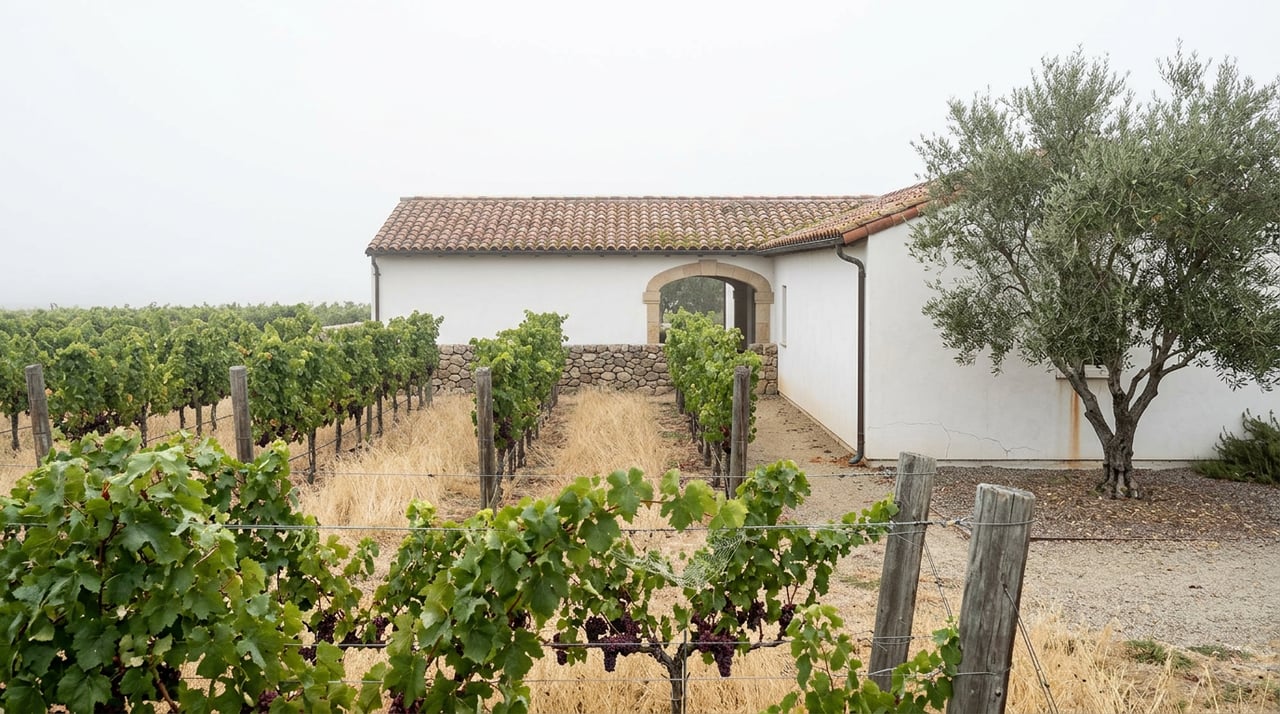
If you are preparing to sell a Cabernet estate in Alexander Valley, the biggest mistake is treating it like a standard luxury home. Sophisticated buyers are not only looking at the residence. They are also evaluating vineyard blocks, water, permits, operational records, and how the property fits within the Alexander Valley AVA. When you organize those details before going to market, you create clarity, reduce friction, and tell a more credible story from day one. Let’s dive in.
Start With the Right Property Story
Alexander Valley is a federally established American Viticultural Area in Sonoma County. That matters because buyers often care about the difference between the home itself, the planted vineyard acreage, and any wine-origin language tied to appellation rules.
For that reason, your pre-listing strategy should frame the estate as a set of connected assets rather than one broad lifestyle offering. The residence, vineyard blocks, agricultural infrastructure, and any hospitality or winemaking spaces should each be described clearly and supported by records.
This is especially important in a market like Healdsburg wine country, where provenance and operational credibility can influence both interest and value. A polished narrative is helpful, but a documented narrative is what gives buyers confidence.
Define the Alexander Valley Component Clearly
A strong listing package begins with clear proof of where the property sits and how it is organized. Sonoma County’s own vineyard appellation mapping identifies Alexander Valley, and that makes map-based presentation especially useful for a vineyard estate.
At minimum, you should be ready to separate three things for a buyer. First is the legal parcel layout. Second is the vineyard block layout. Third is the property’s relationship to the Alexander Valley appellation.
That distinction helps avoid confusion and keeps the marketing precise. It also supports cleaner conversations with buyers, attorneys, accountants, and vineyard advisors once diligence begins.
Build a Vineyard Packet Before Launch
Before your estate hits the market, gather the same kinds of details Sonoma County asks for in vineyard development and replant workflows. These records help buyers understand what is planted, how the site is laid out, and what the operational history looks like.
A useful vineyard packet may include:
- Assessor parcel numbers
- Vineyard block maps
- Total planted acres
- Site number
- Appellation area
- Planting year by block
- Vine spacing
- Vine counts
- Crop and variety information
For a Cabernet estate, this packet should answer practical questions quickly. A buyer will want to know how many Cabernet acres exist, how old the vines are by block, and whether the current vineyard footprint matches the story being presented.
Organize Water Records Early
Water is one of the first diligence categories buyers and their advisors will review. If your estate relies on a well, Sonoma County records and California water guidance make it worth assembling that file before marketing begins.
Your water packet should include well permits, well completion reports, pump information, water test results, and irrigation notes if available. California Water Boards recommend annual testing of domestic well water, so current results can be especially useful in a residential estate setting.
If there is more than one water source, be clear about that from the start. Buyers will want to know whether water comes from a permitted well, district supply, or a combination of sources.
Gather Septic, Grading, and Drainage Documents
In rural Sonoma County, buyers are rarely just buying structures and vines. They are also stepping into a site with infrastructure that may include septic systems, grading work, access roads, drainage improvements, and other land-use elements.
Permit Sonoma notes that septic systems are required where public sewer is unavailable, and non-standard onsite wastewater treatment systems require permits. Grading applications also require a grading plan and drainage report.
That makes it wise to assemble a land-improvement packet that includes:
- Septic permits
- OWTS records
- Grading permits
- Grading plans
- Drainage reports
When these documents are easy to review, buyers can move through diligence with fewer surprises. That can help preserve momentum once the property is in escrow.
Prepare Crop and Production Support
A vineyard estate buyer is often evaluating more than scenery. Production history, farming continuity, and replant context can all shape how the opportunity is understood.
Sonoma County’s agricultural reporting materials specifically use vineyard acreage, appellation area, and crop or variety information. That makes harvest summaries, tons per acre, replant history, and acreage support documents especially relevant in a pre-listing package.
If the property has active agreements tied to operations, gather those too. Farming contracts, grape contracts, custom crush agreements, land leases, and related entity paperwork can affect valuation and buyer underwriting.
Make Operations Easy to Read in Marketing
Luxury presentation still matters, but on a Cabernet estate, beauty alone is not enough. The marketing should help a buyer understand how the property functions on the ground.
That means your media should show more than architecture and views. A well-prepared campaign can also highlight vine rows, topography, roads, water features, drainage patterns, and any cellar, hospitality, or operational spaces that are part of the estate.
Thoughtful presentation creates two benefits at once. It elevates the property visually while also making the site more legible to serious buyers and their advisors.
Use a Clear Map Stack
For Alexander Valley vineyard estates, maps are not a technical extra. They are part of the core story.
A strong marketing and diligence package should typically include:
- Parcel map
- Vineyard block map
- Alexander Valley AVA locator map
This layered approach helps buyers understand both the macro and micro view. They can see where the estate sits in the valley and how the planted acreage is organized within the property itself.
Structure Video Around Buyer Workflow
If you use video, think like a buyer arriving for a private tour. The most useful sequence usually starts with arrival and approach, then moves into vineyard context, operational infrastructure, and finally any guest, entertaining, or winemaking spaces.
That order mirrors how many buyers evaluate these properties in real life. It also helps bridge the gap between emotional appeal and operational understanding.
Address Disclosure and Hazard Review Up Front
California disclosure rules make early preparation especially important. For residential property, sellers generally must deliver the Real Estate Transfer Disclosure Statement, which addresses property condition and is not a substitute for inspections.
The Natural Hazard Disclosure Statement also covers mapped hazards, including flood inundation areas, earthquake fault zones, seismic hazard zones, very high fire hazard severity zones, and wildland fire areas. California’s 2025 updates also address whether a single-family residential property is in a high fire hazard severity zone and whether it is in a state or local responsibility area.
For an Alexander Valley estate, this is not something to leave until the last minute. Reviewing hazard mapping before launch helps you prepare for buyer questions and present the property with more confidence and accuracy.
Review Title and Entity Structure Before Listing
Many vineyard and estate properties are not held in simple individual title. They may sit in a trust, LLC, partnership, or another ownership structure.
That matters because changes in ownership interests can carry property tax consequences. The California Board of Equalization states that when a person or entity acquires more than 50 percent of a legal entity, that change in control can trigger reassessment, and filing requirements may follow.
Long-term lease interests may also matter in reassessment analysis. If your estate has entity ownership, leases, or layered operating agreements, it is worth sorting through them before going to market rather than during escrow.
Answer Buyer Questions Before They Ask
The best pre-listing work often comes down to one goal: remove avoidable uncertainty. Sophisticated buyers of Alexander Valley Cabernet estates tend to focus on a similar group of questions.
Your materials should be ready to answer:
- How many Cabernet acres are planted?
- What is the vine age by block?
- What water sources serve the property?
- Are well, septic, grading, and drainage records available?
- Are there grape purchase, custom crush, lease, or management agreements?
- Are there title or entity issues that could affect transfer or reassessment?
When those answers are organized in advance, the property shows better, diligence moves faster, and your negotiating position is often stronger.
Why Preparation Matters in Alexander Valley
In a place like Alexander Valley, buyers are often purchasing both a lifestyle and a working asset. They want beauty, privacy, and provenance, but they also want records, clarity, and a realistic understanding of operations.
That is why pre-listing preparation is not busywork. It is part of valuation, positioning, and trust-building. The more complete your packet and presentation are, the easier it becomes for the right buyer to understand what makes the property distinct.
If you are thinking about listing an Alexander Valley Cabernet estate, a calm, organized strategy can make a meaningful difference. For discreet guidance on positioning, presentation, and pre-market preparation, request a confidential consultation with Graham Sarasy.
FAQs
What should sellers prepare before listing an Alexander Valley Cabernet estate?
- Sellers should prepare a full pre-listing packet with parcel maps, vineyard block maps, planting history, water records, septic and grading documents, production history, and any operating agreements tied to the property.
Why does the Alexander Valley AVA matter when selling a vineyard estate?
- The Alexander Valley AVA matters because buyers often distinguish between the residence, the vineyard acreage, and any appellation-related wine-origin context, so the listing should present each clearly and accurately.
What water documents are important for a Sonoma County vineyard estate sale?
- Important water documents can include well permits, well completion reports, pump information, water test results, and irrigation notes, along with clear information about whether the property uses well water, district supply, or both.
What disclosures should sellers expect for a residential estate in California?
- Sellers generally should expect to provide the Real Estate Transfer Disclosure Statement and the Natural Hazard Disclosure Statement, including hazard information related to mapped fire, flood, and seismic conditions.
Why do entity ownership and leases matter when selling a vineyard property?
- Entity ownership and lease structures can affect due diligence, transfer planning, and possible property tax reassessment issues, so they are best reviewed before the property goes to market.