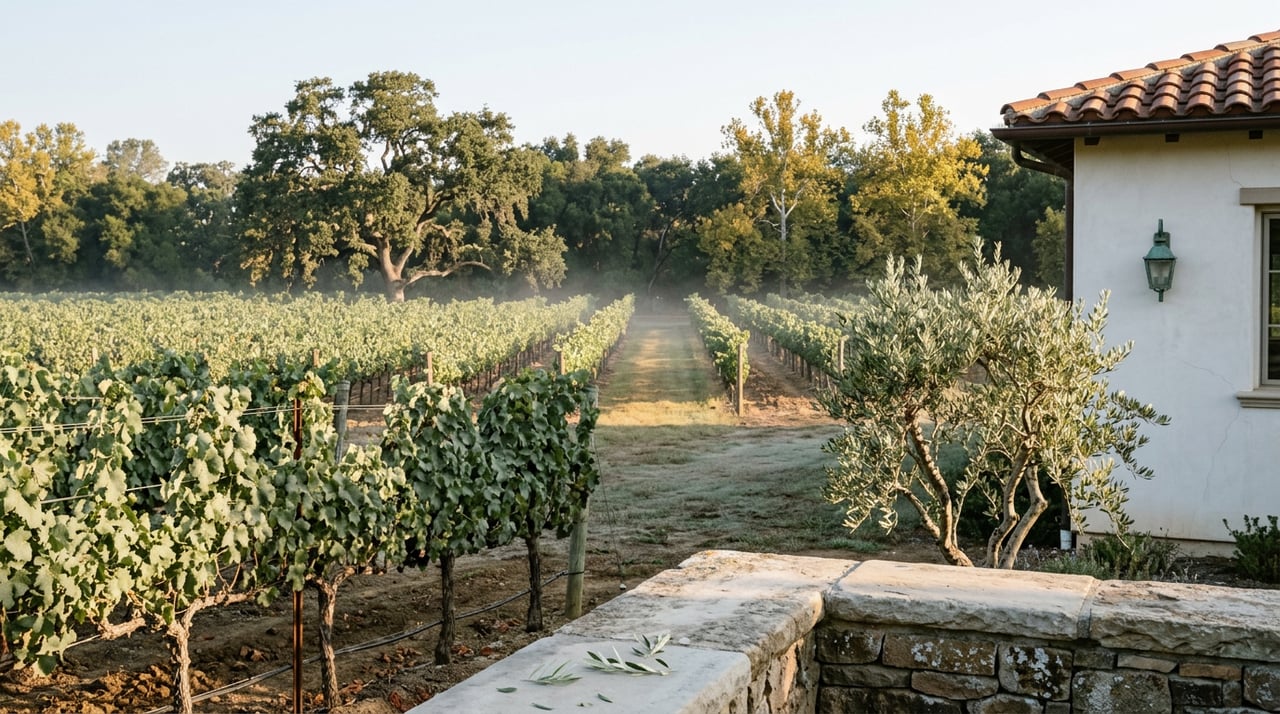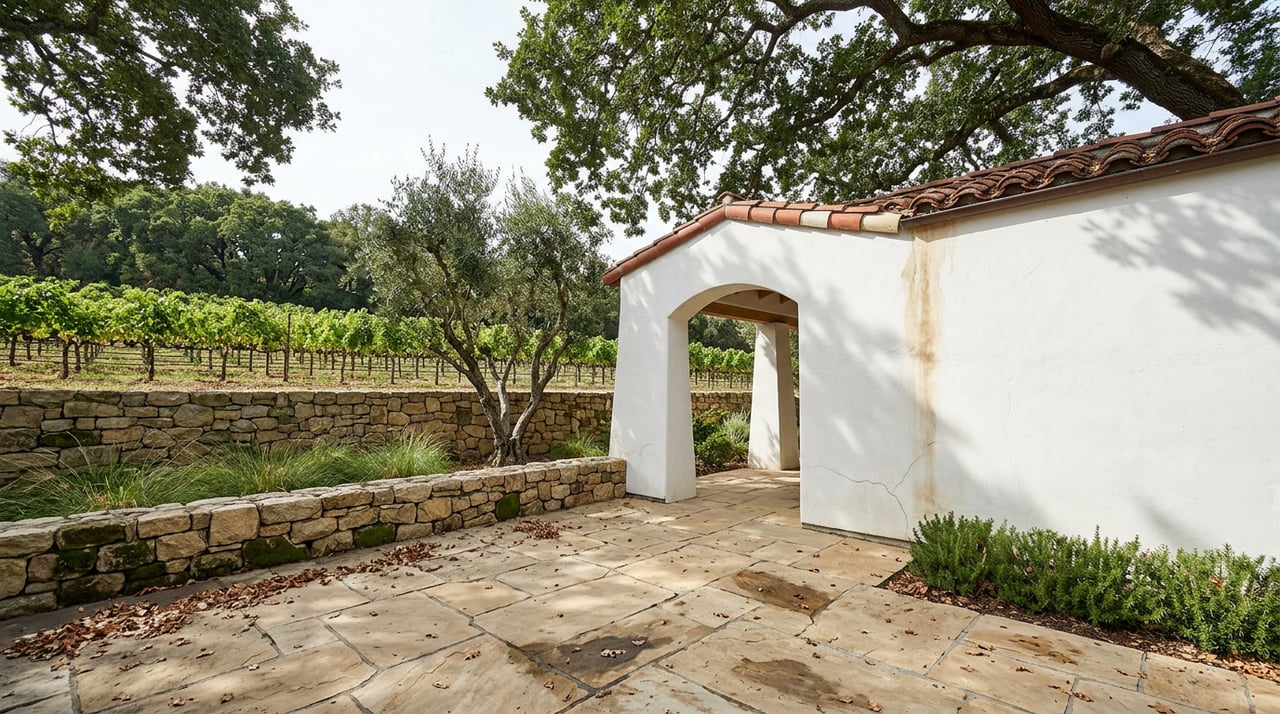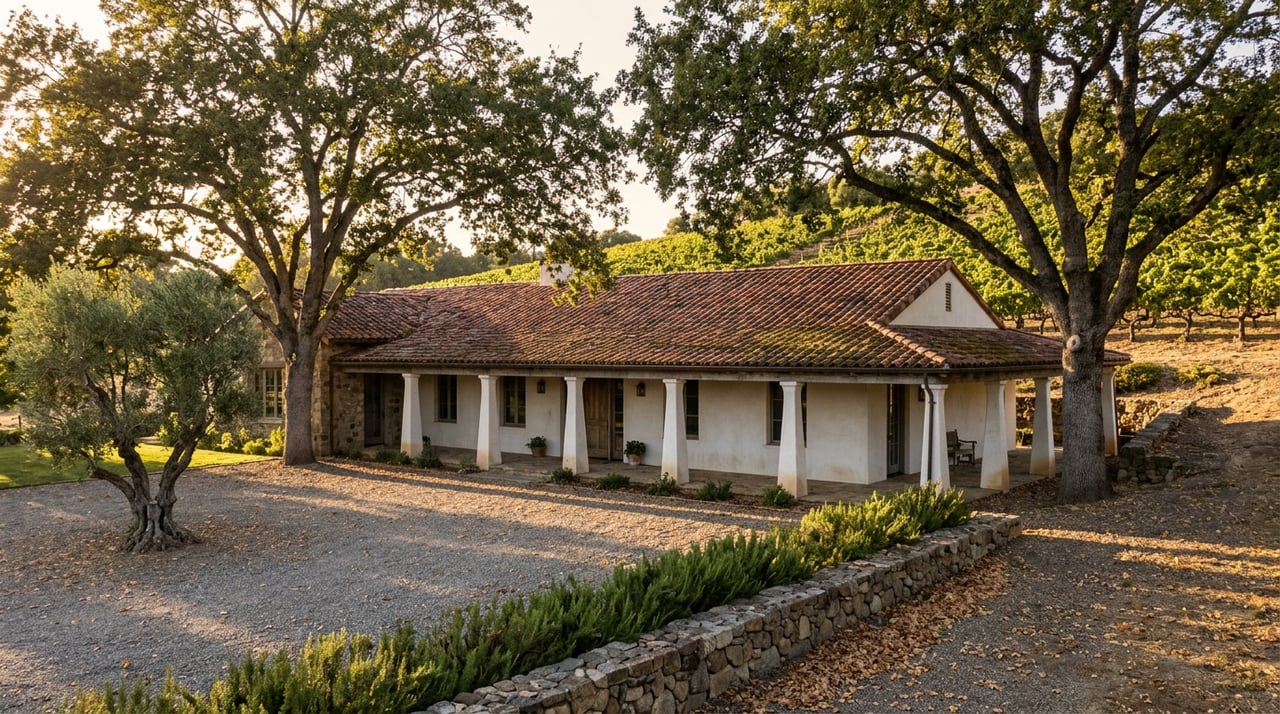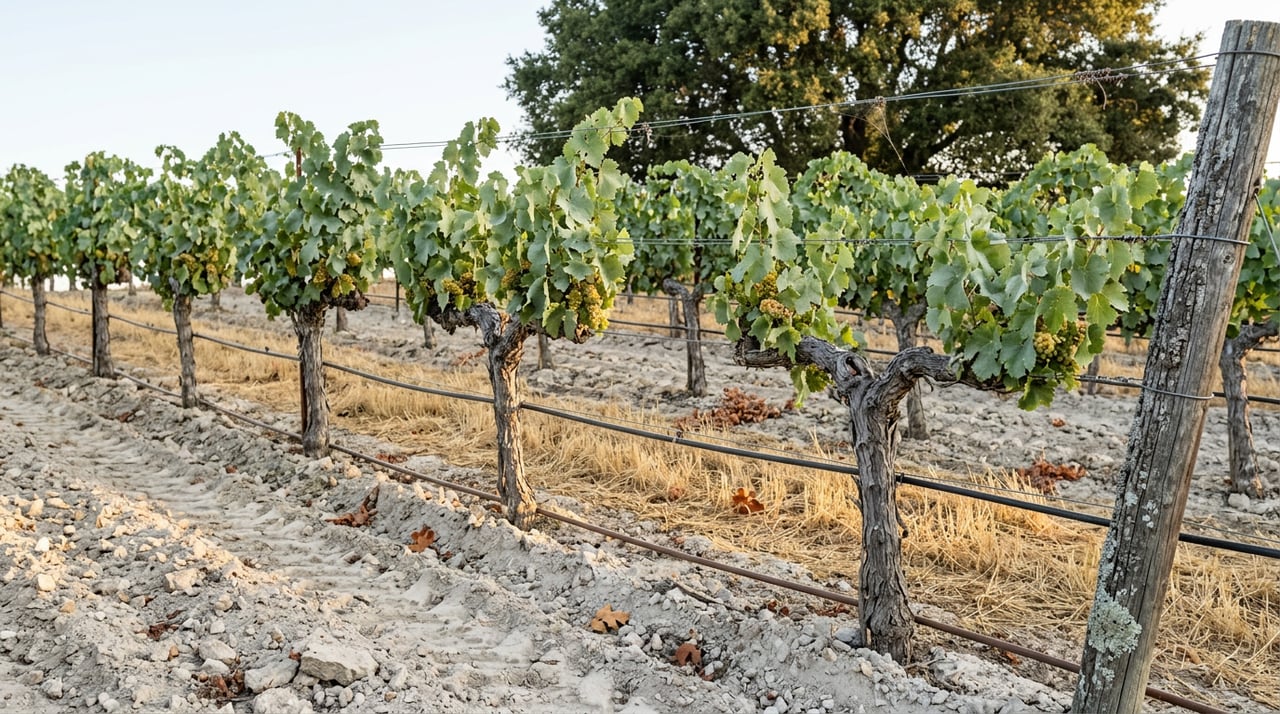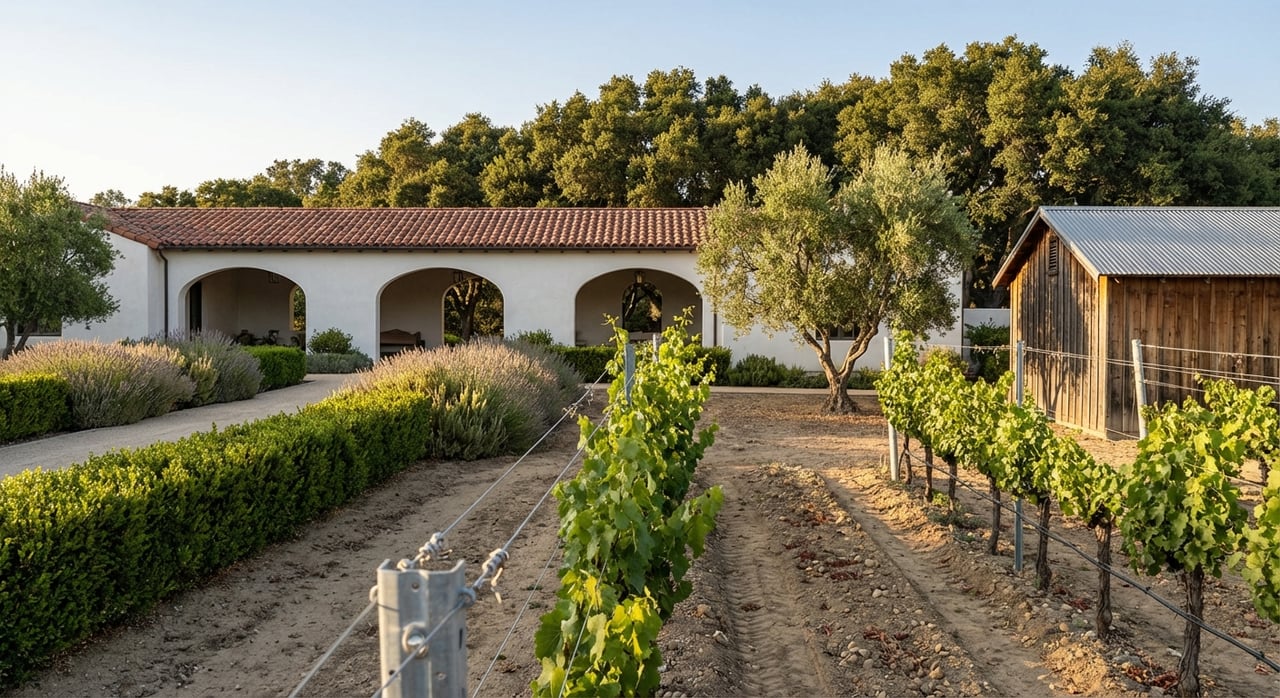
Have you ever pictured walking your own vineyard rows at sunset, glass in hand, and knowing the land is working for you? If Dry Creek Valley is on your radar, you’re not alone. You want beauty and lifestyle, but you also want smart acreage that holds value and, if you choose, produces world-class fruit or a boutique label. This guide gives you a clear, practical path to buying a vineyard estate in 95448, from terroir and water to permits, pricing drivers and due diligence. Let’s dive in.
Why Dry Creek Valley stands out
Dry Creek Valley is a narrow, 16-mile-long AVA in Sonoma with warm days, cool nights and a long growing season. Those conditions help grapes ripen fully while keeping acidity, which is ideal for Zinfandel, Cabernet and Sauvignon Blanc. The valley floor, benches and hillsides each bring distinct microclimates within short distances, so site selection truly matters. You can review an overview of the region’s climate and topography from the Winegrowers of Dry Creek Valley in their summary of the area’s geography and climate.
Dry Creek is best known for historic old-vine Zinfandel and high-quality Sauvignon Blanc, with substantial plantings of Cabernet and other Bordeaux and Rhône varieties. A concise overview of the AVA and its varieties is available in the Dry Creek Valley AVA summary.
Match the site to your vision
Valley floor vs. bench vs. hillside
- Valley floors often feature deep alluvial and gravelly loams that are well drained and productive.
- Benches and lower slopes can have gravelly clay loams that balance vigor and concentration.
- Rockier hillsides typically yield less fruit but higher concentration, which can support premium programs.
When you evaluate a parcel, focus on soil drainage, slope, exposure and airflow. These factors drive wine style, vigor and your farming approach. The region’s terroir overview highlights how quickly conditions can shift across short distances.
What to plant where
- Zinfandel thrives across the AVA, especially on well-drained sites.
- Sauvignon Blanc does well where it can ripen without losing freshness.
- Cabernet Sauvignon and other Bordeaux varieties are common on warmer benches and hillsides.
Your goal is alignment. Choose the variety and farming plan to match the parcel’s heat accumulation, soil depth and slope.
Parcels, layout and infrastructure
Common parcel types
In 95448 you will see everything from small estates with a few planted acres to large legacy ranches with 50 to 350-plus acres and significant infrastructure. Price can vary widely. Existing entitlements, water reliability and on-site improvements explain much of that variance, not just total acreage.
Vineyard build-out basics
If you plan to replant or develop, account for site prep, erosion control on slopes, drip irrigation and filtration, trellis and vine materials, deer fencing, access roads and frost protection where needed. Costs vary by site and design. The UC Cooperative Extension notes establishment costs can exceed $20,000 per acre, depending on conditions and choices. You can find context on costs and local resources in the UC Extension’s viticulture FAQ.
Utilities, roads and wastewater
- Power: Hillside or ridgetop blocks may need longer utility runs or backup systems for pumps.
- Roads: You’ll want all-weather access for equipment and harvest. The Sonoma RCD’s work in the Dry Creek watershed highlights road and erosion considerations for rural properties; see their Dry Creek watershed page.
- Wastewater: Residential septic differs from winery process water. If you contemplate production, tasting or events, plan for engineered wastewater solutions that meet North Coast Water Board programs. Start early with your consultant and review the Board’s program priorities.
Water and irrigation: the operating reality
Where the water comes from
Dry Creek estates typically rely on a mix of private wells, on-site storage, and in some cases access to recycled water. Lake Sonoma (Warm Springs Dam) is a major surface-water resource that shapes regional hydrology and planning, which you can see reflected in the Sonoma RCD’s watershed overview.
Healdsburg’s recycled water program has supported vineyard irrigation and municipal uses. Availability can be seasonal and permit-dependent, and you should confirm pipeline access or trucked delivery potential for any given parcel. For local context on program evolution, see the Press Democrat’s report on efforts to expand use of recycled wastewater.
Groundwater management and fees
Groundwater is managed by basin. If you will rely on wells, verify the basin, whether a Groundwater Sustainability Agency covers your parcel, and any registration or pumping fees that apply. This can affect long-run cost and operating flexibility. You can see how GSAs implement plans using the Sonoma Valley GSA’s Groundwater Sustainability Plan as a reference point.
Irrigation and frost protection
Drip irrigation is standard for efficiency. Micro-sprinklers or overhead systems may be used for certain soils or frost protection, but they require more water and pumping capacity. If your site has frost risk, budget for wind machines or sprinkler storage and confirm water reliability.
Practical due diligence for water includes well logs and pump tests, historic groundwater levels, irrigation water quality, any water-sharing agreements, recycled water records and verification of any GSA registration.
Zoning, Williamson Act and winery permits
Williamson Act basics in Sonoma County
Williamson Act contracts can reduce property taxes for agricultural land, but they carry rules. In Sonoma County, Type I (prime permanent-crop land) generally requires a minimum of 10 acres and specific planting thresholds. Type II (non-prime) generally requires at least 40 acres. Contracts renew on a rolling 10-year basis unless a Notice of Non-Renewal is recorded. Always verify contract type and status on title. Review the county’s Williamson Act FAQs and parcel minimums for specifics.
Winery use permits, tasting and events
Sonoma County requires a discretionary Use Permit for winery operations, tasting rooms and events. The process typically includes studies for water availability, traffic, noise, biological and cultural resources, and wastewater. Timelines can range from months to years depending on environmental review. Permit conditions often cap annual case production, daily visitors and events, hours of operation, employee counts, parking and wastewater capacity. Learn the process at Permit Sonoma’s winery use permit application page.
Water quality and process wastewater
If you produce wine or plan to host public tastings and events, you will likely need engineered solutions and may need to enroll under Regional Water Board orders. Early engagement reduces risk and surprises. The North Coast Water Board outlines applicable programs on their program priorities page.
Oak woodland and habitat protections
Sonoma County updated its tree and oak woodland ordinances in 2024. Removal and conversion can require permits, mitigation and possible in-lieu fees, while certain agricultural maintenance is exempt. If you plan new planting or building sites that could affect oak woodland, review the county’s adoption materials for the Oak Woodland Ordinance and plan accordingly.
Wildfire mapping and disclosures
California’s Fire Hazard Severity Zone maps influence disclosure, building codes and sometimes insurance. Many Dry Creek parcels fall within higher hazard designations. Check a property’s status using CAL FIRE’s FHSZ viewer, and budget for defensible space and home-hardening where applicable.
What drives price and long-run performance
In Dry Creek Valley, several factors tend to set value and future potential:
- Location within the AVA. Benchlands and select hillsides command premiums for style and scarcity.
- Planted acres and grape mix. Old-vine Zinfandel and well-sited Cabernet blocks often earn higher grape prices.
- Water reliability. Proven wells, on-site storage and any access to recycled water can stabilize operations.
- Infrastructure and entitlements. Existing wineries, tasting approvals and wastewater systems add optionality and value. Unpermitted uses create risk.
- Risk and constraints. Fire risk, oak woodland rules and any groundwater restrictions shape your operating outlook.
For terroir context and why micro-site matters here, the Winegrowers of Dry Creek Valley provide a helpful geography and climate overview.
Choose your operating model
Farm and sell grapes
You can farm and sell fruit under grape contracts. Capital exposure is lower than launching a brand, and you can lean on established winery relationships for consistent demand. Returns depend on variety, block quality and market conditions.
Estate winery with DTC
Owning a bonded winery and selling direct to consumer can create brand equity and higher margins. It also requires more capital, staff, permitting and ongoing compliance. Expect to work closely with Permit Sonoma and the North Coast Water Board on water use, wastewater and visitation limits. The Water Board’s program guidance is a useful starting point.
Hybrid approach
Many owners combine estate-grown fruit with custom crush and a modest tasting program within permitted limits. This can balance capital and flexibility while building a brand story tied to the land.
Your due diligence game plan
A focused, front-loaded review will protect your downside and speed closing. Use this checklist as a starting point:
- Title and entitlements. Confirm APNs, Williamson Act contract type and status, and any Notices of Non-Renewal. Obtain winery use permit files, including conditions, production caps and visitation allowances. Start with Permit Sonoma’s pages for Williamson Act FAQs and winery use permits.
- Water and soils. Gather well logs, pump tests and historical groundwater levels. Commission a viticultural soil analysis and, for new systems, percolation tests and slope/erosion assessments. The Sonoma RCD’s Dry Creek watershed resources can inform erosion and road planning.
- Recycled water options. If you expect to use recycled water, confirm pipeline access or trucked deliveries, legal use periods and water-quality constraints. For local program context, see reporting on Healdsburg’s efforts to expand recycled water use.
- Environmental and hazards. Check FHSZ status with CAL FIRE’s viewer. Budget for defensible space, home-hardening and insurance implications.
- Wastewater and compliance. Confirm septic/OWTS sizing and any winery wastewater treatment plan. Review the North Coast Water Board’s programs for potential enrollment.
- Financials and operations. Request grape contract histories, yields and achieved prices, plus vineyard age, clones, rootstocks and trellis condition. For new development budgets, use UC Extension’s viticulture FAQ as a baseline and refine with site-specific bids.
Timeline and next steps in 95448
- Clarify your goal. Lifestyle-first with a few acres, or a producing estate with brand potential.
- Define your program. Choose grapes, farming intensity and whether a winery or tasting is important.
- Assess water. Prioritize parcels with proven wells and storage, and understand recycled water feasibility.
- Validate entitlements. Confirm any existing winery use permit and match it to your plan. If none, scope the pathway and timeline.
- Budget for improvements. Include erosion control, irrigation, roads, power, wastewater and fire mitigation.
Dry Creek Valley rewards informed buyers. With the right parcel, reliable water and clear entitlements, you can own a piece of Healdsburg wine country that delivers both lifestyle and long-term performance. If you want a confidential sounding board and curated options aligned with your goals, connect with Graham Sarasy for local guidance grounded in Dry Creek expertise.
FAQs
What grapes perform best in Dry Creek Valley for a private estate?
- Zinfandel, Sauvignon Blanc and Cabernet Sauvignon align well with the valley’s warm days and cool nights, with micro-site selection guiding the final choice.
How does the Williamson Act affect property taxes when buying in Healdsburg 95448?
- Eligible agricultural parcels may receive reduced taxes under a recorded contract, but parcel minimums and planting thresholds apply and contracts renew on a rolling 10-year basis.
What should I know about water rights or recycled water in Dry Creek Valley?
- Verify well performance, storage and any access to Healdsburg’s recycled water program; availability is seasonal and permit-based, so confirm pipeline or trucking logistics in diligence.
Can I host winery events on a Dry Creek Valley estate I purchase?
- Events require a county Use Permit with conditions that can cap visitors, event counts and hours; always confirm permit status and limits before assuming event capability.
How do wildfire hazard zones impact insurance and resale in Sonoma County?
- Properties in High or Very High Fire Hazard Severity Zones face added disclosure and mitigation requirements and may encounter tighter insurance underwriting, which can affect cost and timeline.