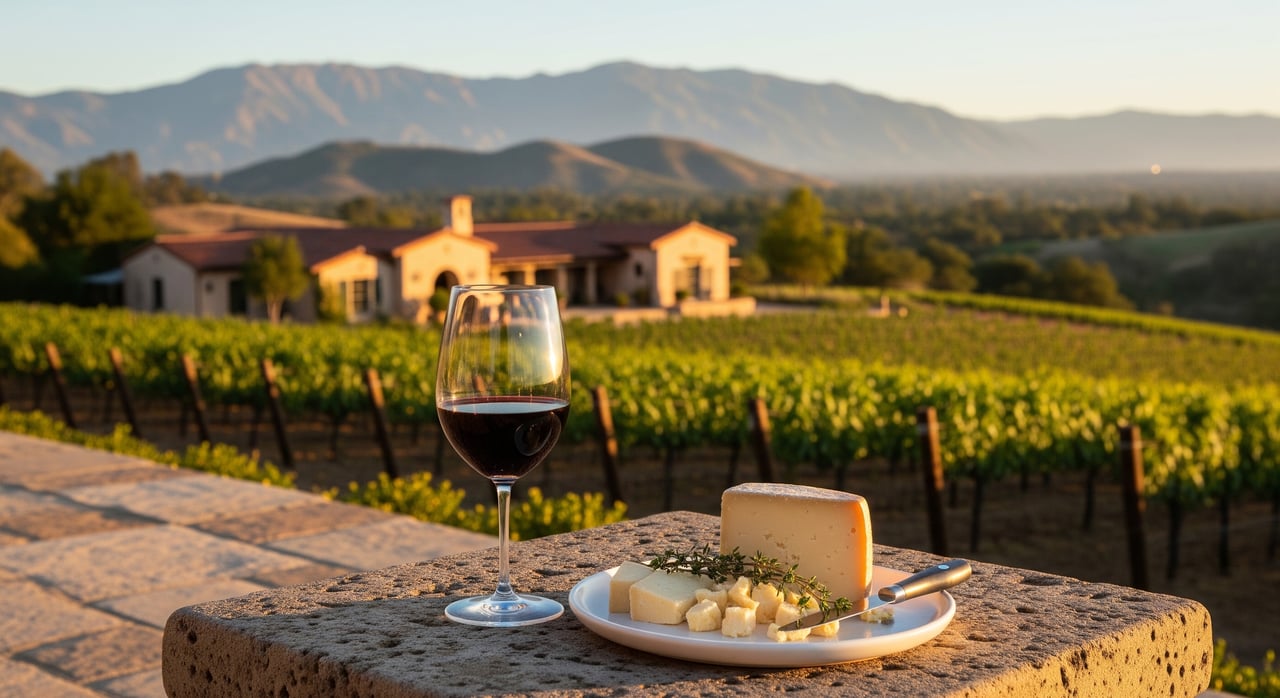
Choosing between Healdsburg and Napa for a second home or vineyard estate can feel like choosing between two great vintages. You know each is exceptional, but they offer different experiences, investment profiles, and day-to-day rhythms. You want clarity so your choice fits how you live, entertain, and plan for the long term. In this guide, you will compare wine styles, lifestyle, property types, land-use rules, risks, and value drivers to decide which path serves you best. Let’s dive in.
Healdsburg vs Napa at a glance
- Vibe: Healdsburg feels small, walkable, and boutique. Napa feels resort oriented with larger visitor volume.
- Wine focus: Healdsburg shines with Pinot Noir, Chardonnay, Zinfandel, and diverse terroirs. Napa emphasizes Cabernet Sauvignon and Bordeaux-style reds.
- Properties: Healdsburg offers farmhouses, hobby vineyards, ranches, and boutique estates. Napa features trophy estates and purpose-built winery compounds with high-end hospitality.
- Regulation and value: Napa’s agricultural preserve and global brand create scarcity and premium pricing. Healdsburg offers strong reputation and more small-lot opportunities across price points.
- Risks to plan for: Both regions face wildfire exposure, water considerations, and permitting limits for events and commercial uses.
- Buyer fit: Healdsburg suits buyers seeking a quieter, community-centered lifestyle with boutique wine access. Napa suits buyers pursuing prestige, larger hospitality ventures, or trophy assets.
Terroir and wine styles
Healdsburg’s AVA diversity
Healdsburg sits at the junction of key Northern Sonoma AVAs. The Russian River Valley and nearby Sonoma Coast bring cool, fog-influenced conditions well suited to Pinot Noir and Chardonnay. Dry Creek Valley is warmer and known for Zinfandel and some Rhône varieties. Alexander Valley trends warmer and supports Cabernet and Merlot. This mix allows you to target a property that matches your preferred varietals, farming style, and wine goals.
Napa’s Cabernet core
Napa Valley is a contiguous valley with sub-AVAs like Yountville, Oakville, Rutherford, and St. Helena. The region’s valley floor and hillsides create microclimates, yet the broader profile tilts warmer than the foggiest Russian River sites. Cabernet Sauvignon and Bordeaux blends are the hallmark here, often in fuller, riper styles with high-value single-vineyard bottlings. If you want to align with global Cabernet prestige, Napa offers that center of gravity.
What this means for your purchase
- Vineyard suitability: Cooler sites that favor Pinot and Chardonnay require different trellising, canopy management, and harvest timing than Cabernet blocks. Match parcel climate to your varietal plan.
- Operating costs: Planting, replant cycles, irrigation systems, and canopy work differ by grape and site. Your annual costs will vary by varietal and vine age.
- Resale and brand story: Napa’s Cabernet cachet can bolster long-term value in certain sub-AVAs. Healdsburg-area parcels tied to Russian River Pinot/Chardonnay or Dry Creek Zinfandel can appeal to a different but strong buyer pool.
Lifestyle and tourism
Town vibe and scale
Healdsburg centers on a walkable plaza, with tasting rooms, boutique inns, and chef-driven restaurants. It feels intimate and community focused. Napa tilts toward resort experiences, larger estates, and a robust tourism infrastructure that serves international visitors and events. Think of Healdsburg as a village experience and Napa as a global destination.
Dining and hospitality
You will find high-level hospitality in both regions. Napa tends to have a higher concentration of luxury hotels and formal resort amenities. Healdsburg’s dining scene leans local and seasonal with close chef-farm partnerships and intimate tasting-room culture. If nightly strolls to dinner and a smaller-town rhythm appeal to you, Healdsburg fits well. If you plan receptions, retreats, or larger-scale entertaining, Napa’s infrastructure may be a better match.
Visitor flow and seasonality
Napa typically sees higher tourist volume and more international travelers. Healdsburg draws Bay Area regulars, wine enthusiasts, and domestic visitors seeking a quieter experience. The level of visitor traffic influences off-peak access to tasting rooms, seasonal congestion, and short-term rental demand if you plan to operate lodging in compliance with local rules.
Property types and land use
Typical estate profiles
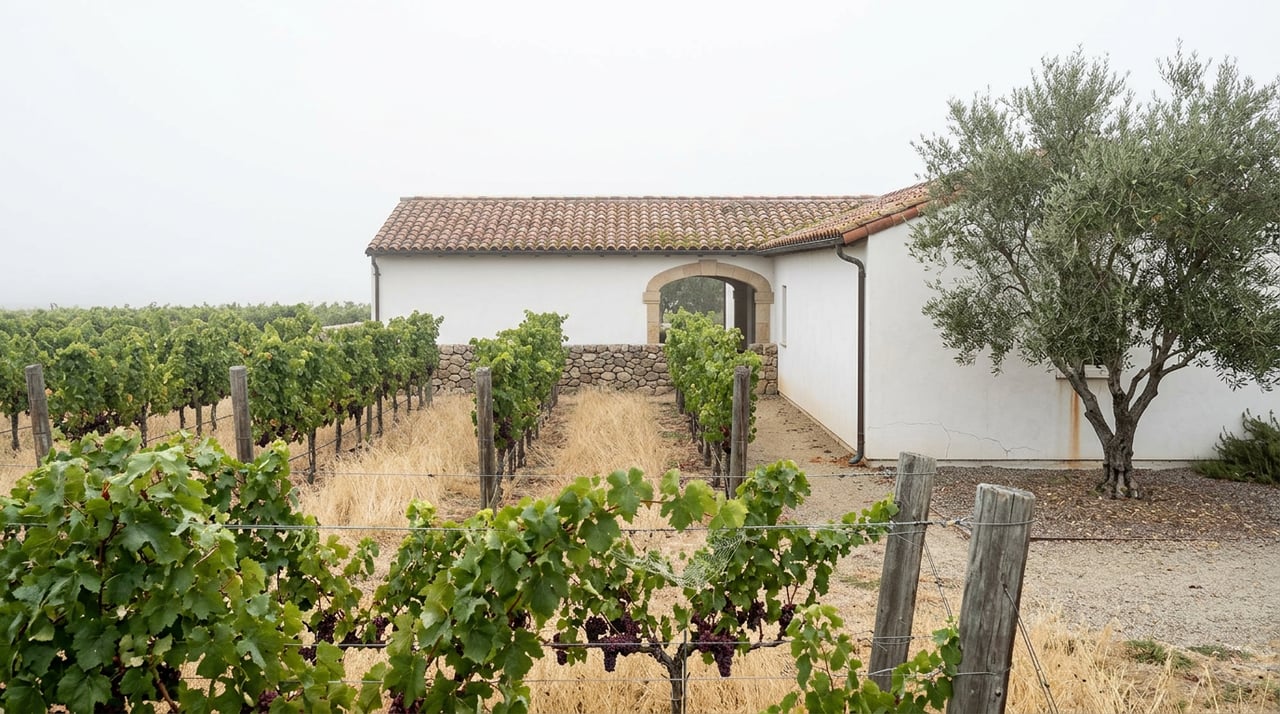
In the Healdsburg area, you will find historic farmhouses, ranches, small to mid-sized vineyard parcels, and boutique estate wineries. Acreage can range from hobby-scale vineyards to more substantial ranches in Dry Creek or Alexander Valley. In Napa, trophy estates and purpose-built winery compounds are more common, often with expanded hospitality amenities such as formal gardens, event facilities, cellars, and larger support structures.
Zoning and agricultural rules
Both Sonoma and Napa counties apply strong agricultural and land-use controls that shape what you can build and operate. Napa’s agricultural preserve policies are especially known for limiting subdivision and protecting vineyard land. Sonoma administers agricultural zoning and has Williamson Act agreements in parts of the county. These rules affect your ability to add guesthouses, run a tasting room, or host events. Your plans should start with a zoning and permitting review before you write an offer.
Operating costs and management
Regardless of region, vineyard operations require expert management. Canopy work, labor, irrigation systems, vine health, and periodic replant cycles are core costs. Napa properties may carry higher labor, construction, and management expenses due to market expectations and the level of finish common in luxury estates. If you plan to produce commercially, budget for compliance, wastewater capacity, and parking requirements as well.
Long-term value drivers and risks
Scarcity and brand recognition
Napa’s global brand and agricultural preserve policies create scarcity of vineyard land, which supports a premium in many submarkets. Healdsburg’s Northern Sonoma AVAs enjoy excellent reputations and ongoing demand, with a broader range of parcel sizes and pricing. Scarcity and brand weighting are key inputs to your long-term value outlook.
Tourism and revenue potential
Napa estates often have higher upside for visitor revenue, events, and hospitality, though that potential comes with higher capital requirements and stricter compliance. Healdsburg properties can support tasting-room and small-scale lodging experiences on a more intimate level, which many owners prefer for lifestyle reasons. Align your capital plan with the scale of hospitality you want to run.
Wildfire, water, and insurance
Both regions face wildfire risk that influences insurance availability and cost. Water supply and groundwater policy are increasingly important. Parcels vary widely, so your due diligence should confirm water rights, well performance or municipal supply, defensible space, and the feasibility of fire-hardening improvements. An insurance quote tied to the actual address and structure specs should be part of your offer package.
Resale and liquidity
Trophy estates in Napa often benefit from brand-driven demand, yet they can be more cyclical and sensitive to tourism and broader luxury spending patterns. Healdsburg’s buyer pool includes lifestyle buyers and local winegrowers across several price bands, which can support liquidity for well-positioned properties. Your exit strategy should match the depth of the buyer pool for your specific asset type.
Which region fits your goals
- Choose Healdsburg if you want a quieter, community-oriented second home with boutique wine access, walkable dining from town, and diverse AVAs for Pinot, Chardonnay, Zinfandel, and select Cabernet sites.
- Choose Napa if you want brand prestige, a Cabernet-centric identity, and the option to build or own a more expansive hospitality or event-forward estate.
- Consider both if you plan a portfolio approach. Some owners pair a production asset in one region with a lifestyle base in the other.
Due diligence checklist before you buy
Use this list to keep your search focused and your negotiations informed.
- Location and AVA: Confirm the AVA and microclimate, slope, and exposure. Match to your varietal plan.
- Zoning and permits: Review current zoning, agricultural preserve status, and any permits for tasting, events, or guest accommodations.
- Water and utilities: Document water rights, well yield or municipal service, irrigation infrastructure, and wastewater capacity.
- Wildfire readiness: Assess defensible space, topography, structure materials, and access routes for emergency services.
- Insurance: Obtain quotes based on actual address and improvements. Confirm carrier availability and policy limits.
- Vineyard health and age: Inspect block-by-block vigor, spacing, trellising, and age to forecast replant cycles and costs.
- Structures and compliance: Verify building permits, code compliance, ADA requirements for any public-facing spaces, and parking.
- Operating budgets: Model annual vineyard and property management costs by varietal and acreage. Include labor and replant reserves.
- Market comparables: Review recent sales for similar estate types in the same AVA or sub-AVA. Align with your exit plan.
How to approach the search
Start with your non-negotiables. Is walk-to-dinner access important, or is privacy the priority. Do you want a ready-to-produce vineyard or a lifestyle property with hobby vines. Next, define your capital plan for improvements and consider whether you want tasting or event uses. Then, layer in risk management with water, wildfire readiness, and insurance feasibility. This approach will narrow your search to parcels that fit both your lifestyle and financial goals.
Work with a local advisor
For vineyard and estate purchases, local knowledge matters. In Healdsburg, you benefit from on-the-ground expertise in Russian River, Dry Creek, Alexander Valley, and Chalk Hill. You also benefit from thoughtful, narrative-driven marketing and access to a global buyer base when the time comes to sell. If you are weighing Healdsburg against Napa, the right advisor will bring you clear due diligence, vetted comparables, and a candid view of your options.
Ready to take the next step. Request a confidential consultation with Graham Sarasy to discuss your goals and get a curated path forward.
FAQs
What are the main lifestyle differences between Healdsburg and Napa
- Healdsburg offers a small, walkable town experience with boutique tasting rooms, while Napa leans resort oriented with larger visitor volume and broader hospitality infrastructure.
How do wine styles differ between Healdsburg and Napa AVAs
- Healdsburg-area AVAs highlight Pinot Noir, Chardonnay, Zinfandel, and Rhône varieties across diverse microclimates, while Napa centers on Cabernet Sauvignon and Bordeaux blends in warmer valley and hillside sites.
What land-use rules should buyers understand in Napa vs Sonoma
- Both apply strong agricultural controls, but Napa’s agricultural preserve is well known for limiting subdivision and protecting vineyard land, which shapes building, guest uses, and event permissions.
How do wildfire and water risks affect a wine country purchase
- Wildfire exposure can impact insurance availability and cost, and water access varies by parcel. Include defensible space, insurance quotes, and water-supply verification in your due diligence.
What types of estates are common in each region
- Healdsburg features farmhouses, ranches, and small to mid-sized vineyards with boutique estates, while Napa has more trophy compounds and purpose-built winery estates with expanded hospitality amenities.
Which region is better for revenue from hospitality and events
- Napa often has higher hospitality upside due to brand and infrastructure, but it requires greater capital and strict compliance. Healdsburg supports more intimate, small-scale experiences that suit lifestyle-focused ownership.