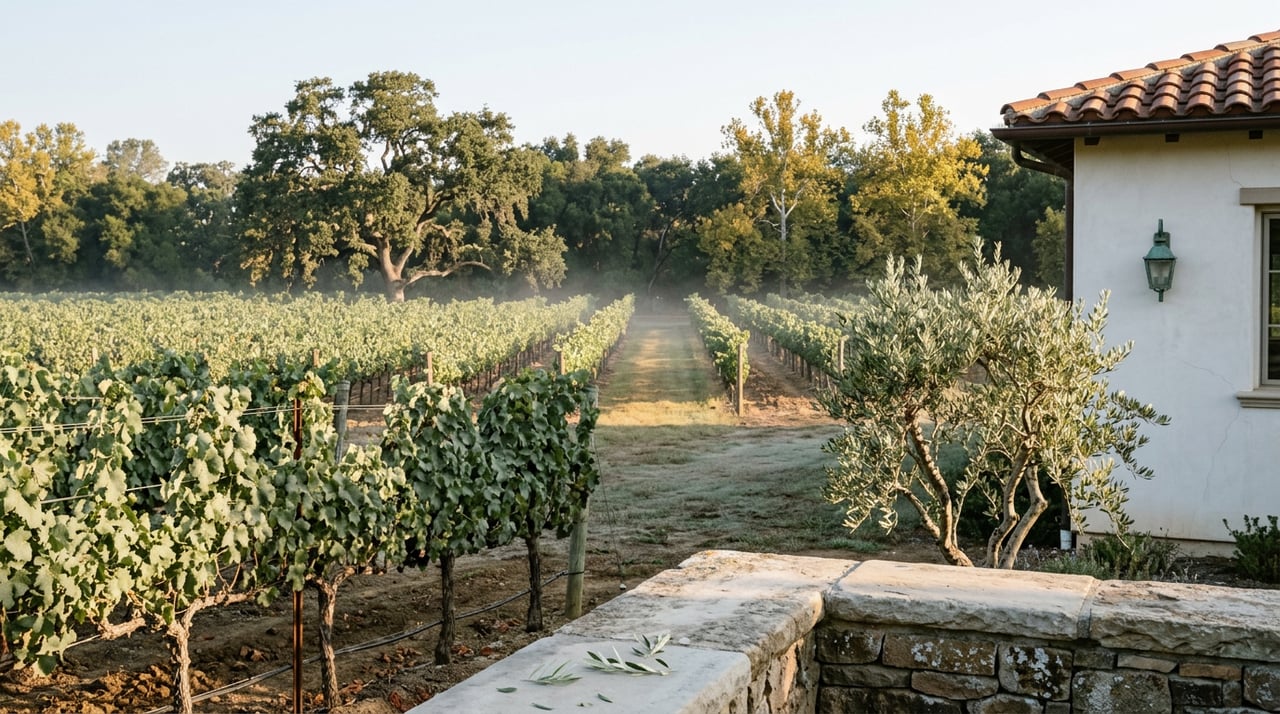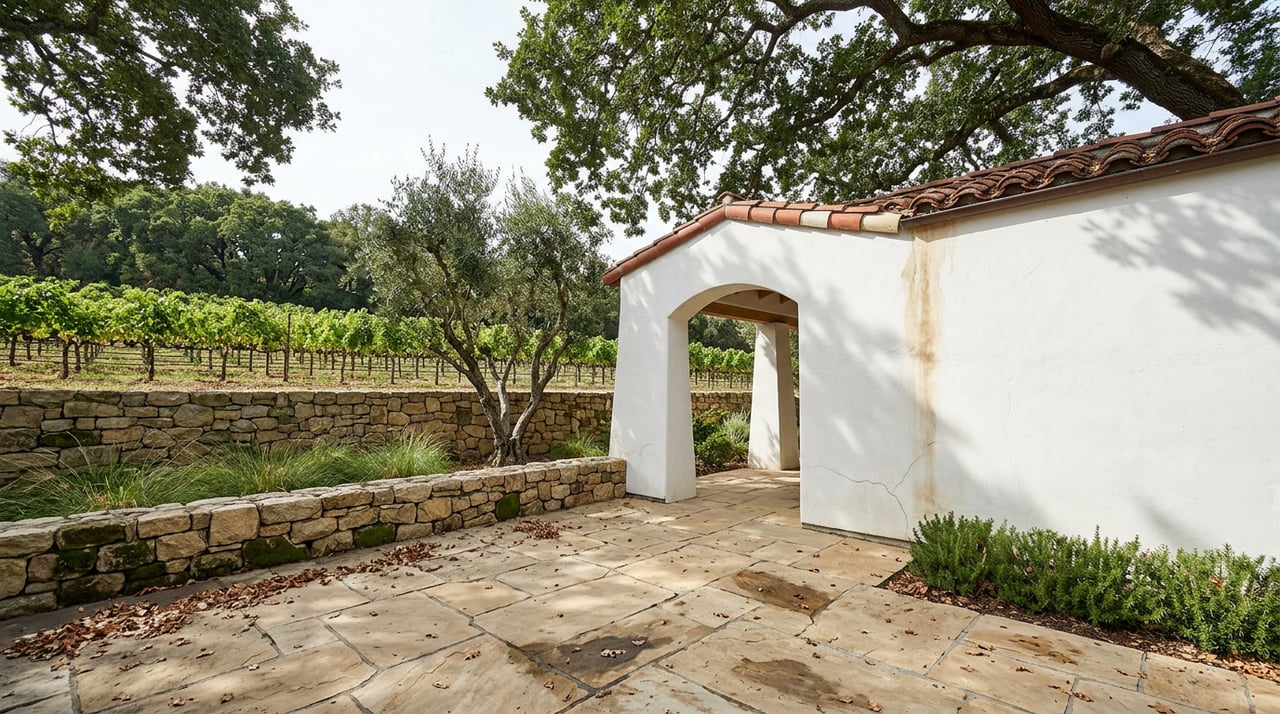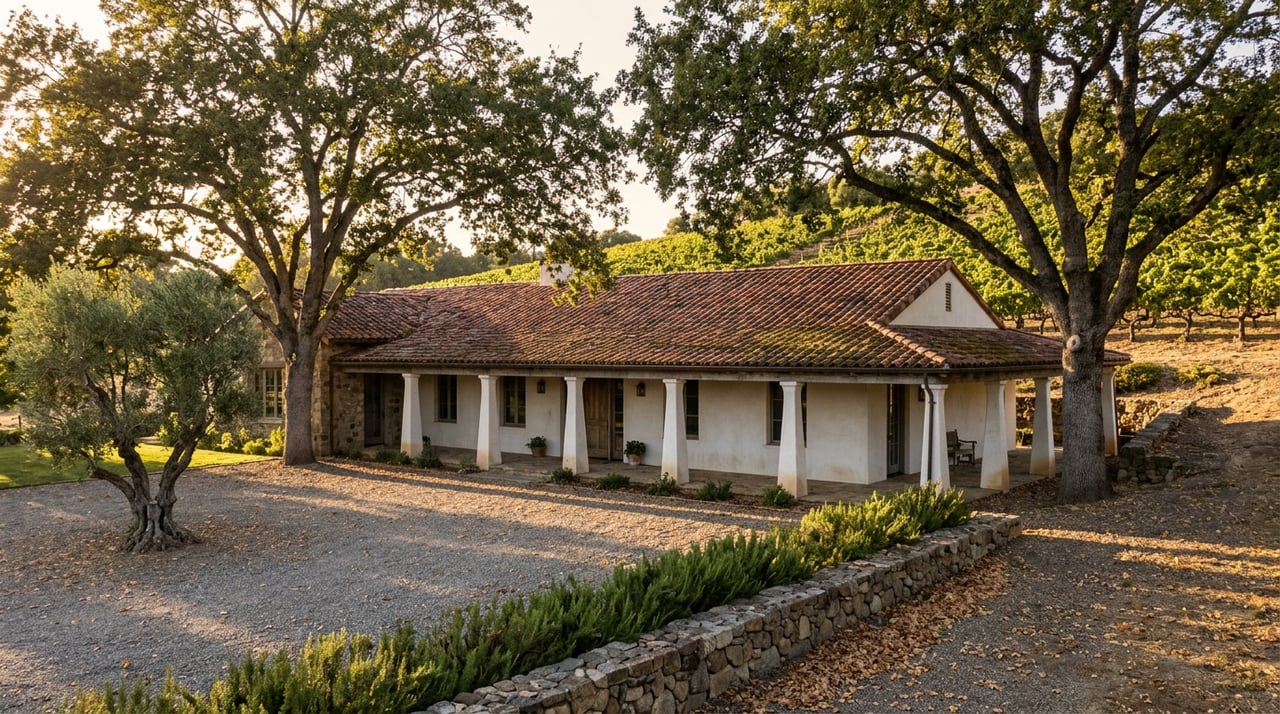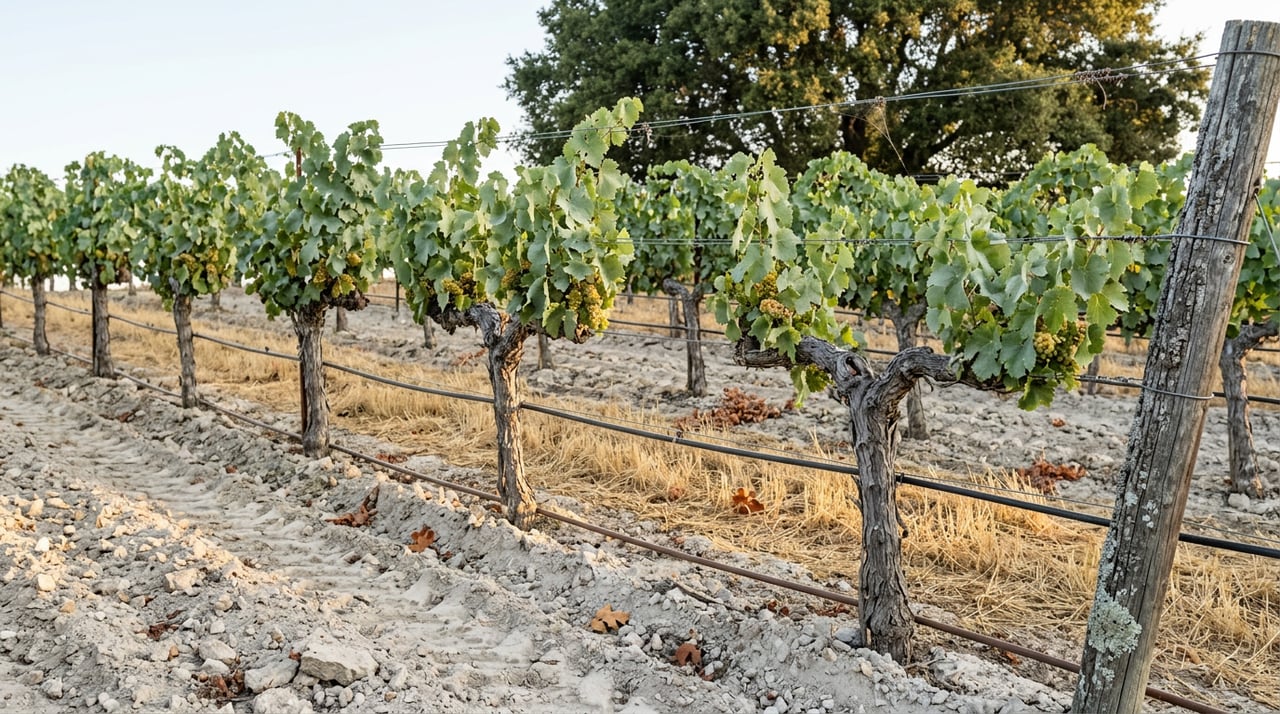
If you are considering a vineyard, estate, or wine-country investment in Sonoma, Russian River Valley likely keeps rising to the top for one reason: it offers a rare mix of prestige, production credibility, and everyday usability. For many buyers, that balance matters just as much as the romance of the land. If you want to understand why this AVA stands out for Pinot-focused investment, and where diligence matters most, this guide will help you think through the opportunity with more clarity. Let’s dive in.
Why Russian River Valley Draws Pinot Investors
Russian River Valley is one of Sonoma County’s most established Pinot regions. The AVA was recognized in 1983 and later expanded to 126,600 acres, with more than 16,000 acres of wine grapes. It is widely identified as a defining region for California Pinot Noir and Chardonnay, which gives it a level of recognition many buyers value from the start.
That recognition is not just about scenery or prestige. AVAs are legal appellations with defined boundaries, which means the Russian River Valley name can communicate origin clearly on a wine label. For an investor or estate buyer, that brand identity can become part of the long-term value story of a vineyard property.
Sonoma County also leads California in Pinot Noir acreage, with 12,686 acres according to the Wine Institute’s 2025 fact sheet. Within Russian River Valley, roughly 29% of harvested grapes are Pinot Noir and about 41% are Chardonnay. That makes the region a true commercial growing ecosystem, not just a desirable address.
Climate Gives Pinot a Clear Edge
Russian River Valley begins just 10 miles from the Pacific Ocean, and that proximity shapes nearly everything about the growing environment. Fog and cool maritime air are central to the region’s identity, while warm sunny days and cool evenings help preserve acidity and aroma. Those conditions are a major reason the area has built such a strong reputation for Pinot Noir.
The region’s climate tends to sit in an appealing middle ground. It is cool enough to support premium Pinot, yet generally more moderate and accessible than the far coastal edge. For many buyers, that creates a compelling mix of wine quality potential and practical ownership appeal.
The same climate advantages also create operating considerations. Fog timing, frost exposure, and drainage should all be reviewed carefully when you evaluate a site. Russian River Valley rewards informed buying, not broad assumptions.
Russian River Valley Is Not One Uniform Market
One of the biggest mistakes a buyer can make is treating the AVA as a single, uniform production zone. In practice, growers often describe Russian River Valley through six informal neighborhoods: Middle Reach, Laguna Ridge, Green Valley, Santa Rosa Plains, Sebastopol Hills, and Eastern Hills. These areas are not rigid subdistricts, and their boundaries often blur, but they help explain meaningful differences from parcel to parcel.
That matters because two properties only a few miles apart can have very different fog patterns, drainage, frost risk, and harvest timing. If you are evaluating a Pinot acquisition, site-specific diligence is just as important as the AVA name on paper. The label matters, but the block still tells the real story.
Middle Reach
Middle Reach, near southern Healdsburg and the river, is among the warmest areas in the AVA. It gained early recognition through some of the region’s earlier Pinot plantings. Wines from this area tend to be more textured and ripe, with less emphasis on aromatics.
Green Valley
Green Valley is the only neighborhood with formal AVA status of its own. It is known for strong fog influence and Goldridge-dominant soils, especially in cooler areas on the lower eastern side. That lower side is also more frost-prone at night, while the western side dries earlier and tends to ripen sooner.
Laguna Ridge
Laguna Ridge benefits from air drainage, earlier bud break, and lower frost pressure. The resulting wines are often described as rounder and softer in tannin. For buyers, this area can stand out when operational consistency and site balance are priorities.
Sebastopol Hills
Sebastopol Hills is the coolest neighborhood in Russian River Valley. It also receives more rainfall than the rest of the valley and requires more active erosion and drainage management. The area is heavily associated with Pinot Noir, which may appeal to buyers seeking a more focused varietal identity.
Eastern Hills
Eastern Hills sees less fog influence than many other parts of the AVA. It also has broader soil diversity and tends to ripen earlier because of warmer afternoon exposure. That combination can create a different style and farming rhythm than more heavily fogged sites.
Soils and Structure Support Quality
Russian River Valley’s reputation is not built on climate alone. Goldridge soil plays an important role in the region’s identity, especially for Pinot Noir and Chardonnay. Sonoma County Tourism identifies Goldridge as Sonoma County’s most famous soil type and describes it as a well-drained, low-nutrient sandy loam that supports high-quality vineyard expression.
For an investor, well-drained soils can be a meaningful piece of the quality equation. They do not replace strong farming or careful site management, but they do help explain why certain parts of Russian River Valley have earned lasting attention. In a market where provenance matters, soils are part of the narrative and part of the practical underwriting.
The AVA Name Carries Real Market Weight
Russian River Valley has deep recognition within Sonoma County wine country. Sonoma County Tourism notes that some of Wine Country’s best-known and most beloved varietals earned their reputation here. It also points out that top Napa wineries source cool-climate grapes from the region, which reinforces the area’s standing in the broader premium wine market.
The AVA also has meaningful scale. Sources in the research place the region at about 15,000 vineyard acres and around 70 wineries, supported by well-known legacy names such as Rochioli, Joseph Swan, Martinelli, and Korbel. That concentration of vineyards, wineries, and established brand history gives buyers a much deeper ecosystem than a more isolated growing area.
For property investors, that matters in several ways:
- It supports stronger regional identity
- It creates a broader network of growers and wineries
- It reinforces buyer familiarity with the appellation
- It can make the ownership story easier to position over time
Pinot Focus With Some Diversification Potential
While Pinot Noir is a main reason buyers look here, Russian River Valley is not limited to a single grape. The region includes at least 13 planted varietals and produces 35 wines. Chardonnay accounts for roughly 41% of harvested grapes, while Pinot Noir makes up about 29%.
That mix may create flexibility for buyers looking at estates with multiple blocks, mixed plantings, or longer-term strategic options. It does not guarantee income or performance, but it does suggest that some properties may offer more than a single-track story. For investors who value optionality, that can be an important point.
How Russian River Compares to Other Pinot Regions
If you are weighing Russian River Valley against other Sonoma Pinot areas, the comparison usually comes down to balance. Russian River sits between the rugged scarcity of the coast and the more stable, bay-influenced profile of Carneros. That middle position is a large part of its appeal.
Russian River Valley vs. Sonoma Coast
Sonoma Coast is one of the main alternatives for Pinot-focused buyers. It has direct Pacific influence, about 2,000 vineyard acres, and fewer than 10 wineries according to Sonoma County Tourism. The region is known for celebrated cool-climate wines, but it is also more dispersed and less label-dense than Russian River Valley.
If you value a larger, more established grower and winery ecosystem, Russian River often feels more grounded and more legible as an investment market. Sonoma Coast may offer cachet and scarcity, but Russian River generally offers more depth and day-to-day usability.
Russian River Valley vs. West Sonoma Coast
West Sonoma Coast pushes the cool-climate model further. It includes steep, rugged terrain, about 50 vineyards, elevations from 400 to 1,800 feet, and difficult farming conditions shaped by cold marine air and heavy fog. That can appeal to buyers seeking rarity and edge-of-possibility vineyard sites.
At the same time, Russian River Valley is often easier to navigate and use regularly. For a buyer who wants premium Pinot credentials without as much logistical friction, Russian River may be the more practical fit.
Russian River Valley vs. Carneros
Carneros is another cool-climate option, but it presents a different identity. Sonoma County Tourism describes it as cool and windy with a relatively stable ripening regime, and especially important for sparkling wine. Compared with Russian River Valley, it is more bay-influenced and less tied to the same fog-and-hillside Pinot narrative that drives Russian River’s market cachet.
Lifestyle Appeal Matters Too
For many buyers, especially second-home or trophy-property buyers, the investment case is not only agricultural. Russian River Valley stretches across Windsor, Healdsburg, Sebastopol, Graton, Forestville, Guerneville, and Santa Rosa. That wider geography supports easier access to lodging, dining, and wine-country amenities than more remote coastal areas.
This matters if you want a property that works as both an investment and a place you can enjoy regularly. A region can be world-class on paper, but if it is difficult to use, host from, or access for weekends, that can change the ownership experience. Russian River Valley tends to offer a stronger balance of vineyard credibility and lifestyle convenience.
Diligence Questions to Ask Before You Buy
Even in a highly regarded AVA, careful diligence is essential. Russian River Valley’s climate and land characteristics can vary sharply from one site to another, so broad reputation should never replace parcel-level review.
As you evaluate a property, focus on practical questions like these:
- How much fog influence does the site receive?
- Is the parcel exposed to frost risk at night?
- How does drainage work across the vineyard blocks?
- What soils dominate the site?
- Is the property in unincorporated Sonoma County, and what permits may apply?
- If the property relies on private well water, what testing has been done?
- If new planting or replanting is part of the plan, how does VESCO affect the process?
Sonoma County states that private well water is not regulated by a government agency, and the owner is responsible for testing it. The county also administers VESCO for new vineyard planting and replanting, while Permit Sonoma handles land-use permitting in unincorporated areas. For vineyard and estate acquisitions, these details are part of smart underwriting.
Is Russian River Valley the Right Pinot Investment for You?
If you want a premium Pinot region with strong name recognition, a deep vineyard and winery ecosystem, and better everyday usability than more remote coastal zones, Russian River Valley is often the best fit. It offers credibility in the market, strong varietal identity, and enough internal diversity to reward thoughtful site selection.
The key is to approach the AVA with nuance. Russian River Valley is powerful as a brand, but the best buying decisions still come down to site, exposure, soils, operations, and long-term fit. When you match the right parcel to the right ownership goals, the region can make a very compelling case.
If you are considering a vineyard, winery estate, or distinctive lifestyle property in Northern Sonoma County, Graham Sarasy offers discreet, high-touch guidance grounded in local market knowledge and complex property experience.
FAQs
What makes Russian River Valley appealing for Pinot Noir investment?
- Russian River Valley combines strong AVA recognition, a proven Pinot Noir reputation, cool maritime influence, and a deep ecosystem of vineyards and wineries, which makes it attractive to many buyers seeking both prestige and practical market depth.
How important is the Russian River Valley AVA name for vineyard buyers?
- The AVA name matters because it is a legal appellation with defined boundaries, which helps communicate origin on a wine label and supports the broader brand identity that many buyers consider part of a property’s value.
What should you compare inside Russian River Valley before buying a vineyard?
- You should compare fog exposure, frost risk, drainage, soils, ripening timing, and neighborhood-level differences such as those found in Middle Reach, Green Valley, Laguna Ridge, Sebastopol Hills, and Eastern Hills.
How does Russian River Valley compare with Sonoma Coast for Pinot buyers?
- Russian River Valley generally offers a larger and more established vineyard and winery ecosystem, while Sonoma Coast is more dispersed and scarcer, with stronger direct Pacific influence and a different ownership experience.
What due diligence matters most for a Russian River Valley property?
- Key diligence items include site-specific climate conditions, drainage, frost exposure, soil profile, private well water testing responsibilities, and Sonoma County permitting rules for planting, replanting, and land use.
Is Russian River Valley a good fit for a second-home vineyard buyer?
- It can be a strong fit if you want vineyard credibility along with easier access to towns, dining, and wine-country amenities across areas such as Healdsburg, Sebastopol, Windsor, and Forestville.