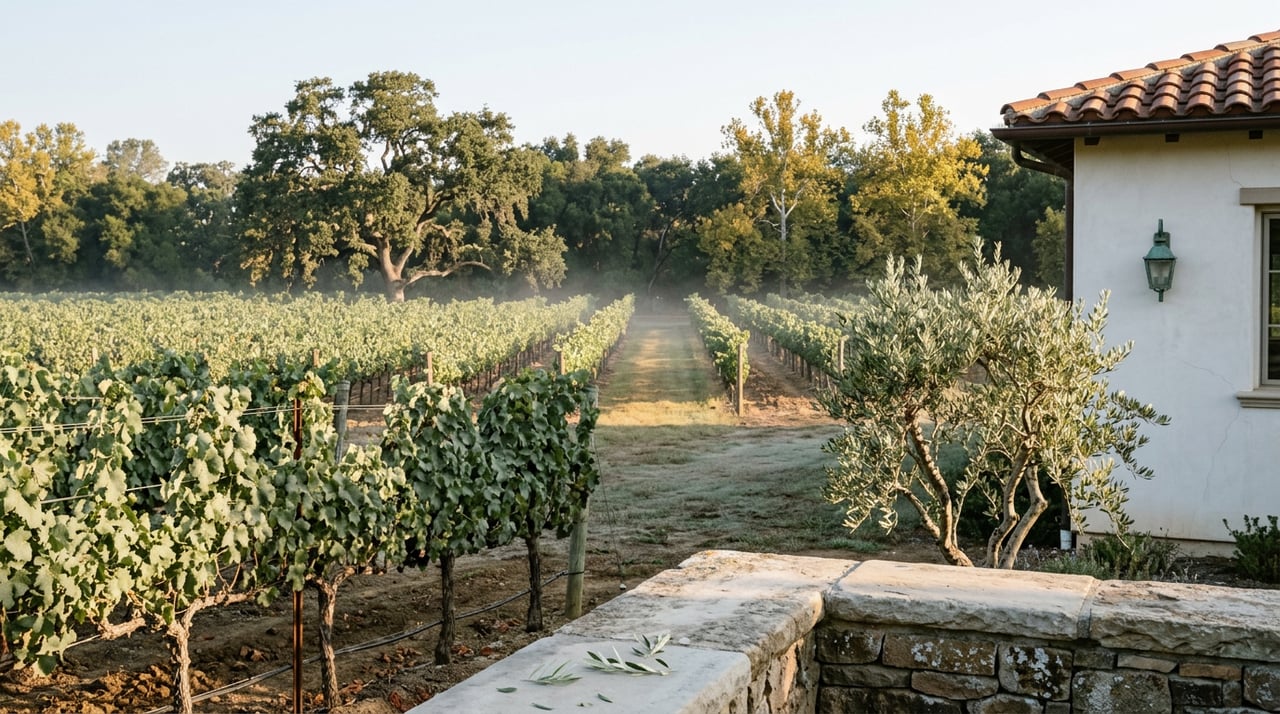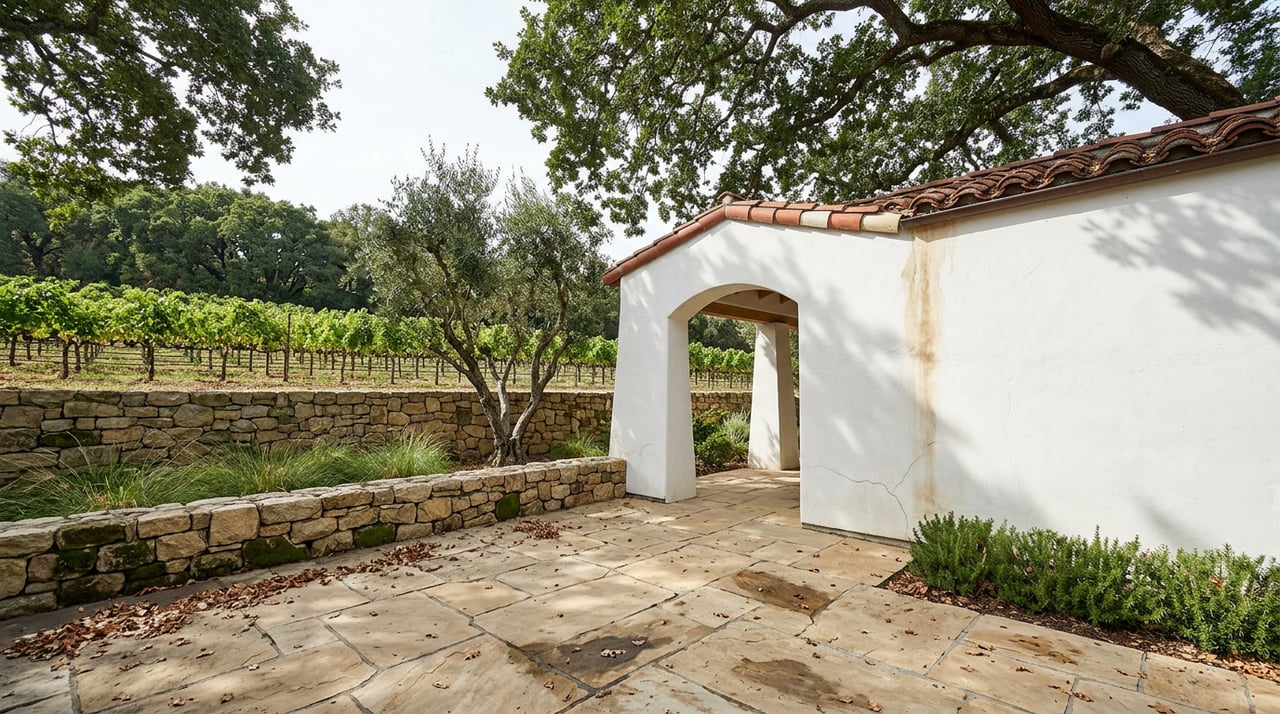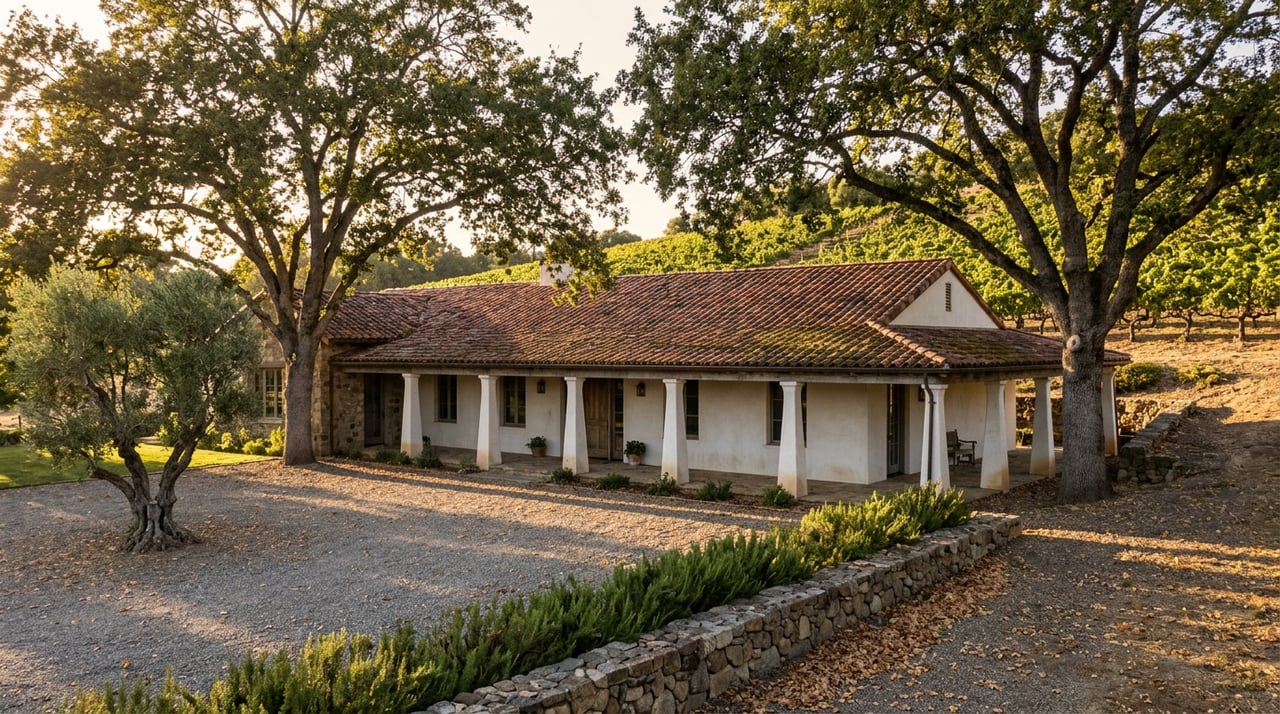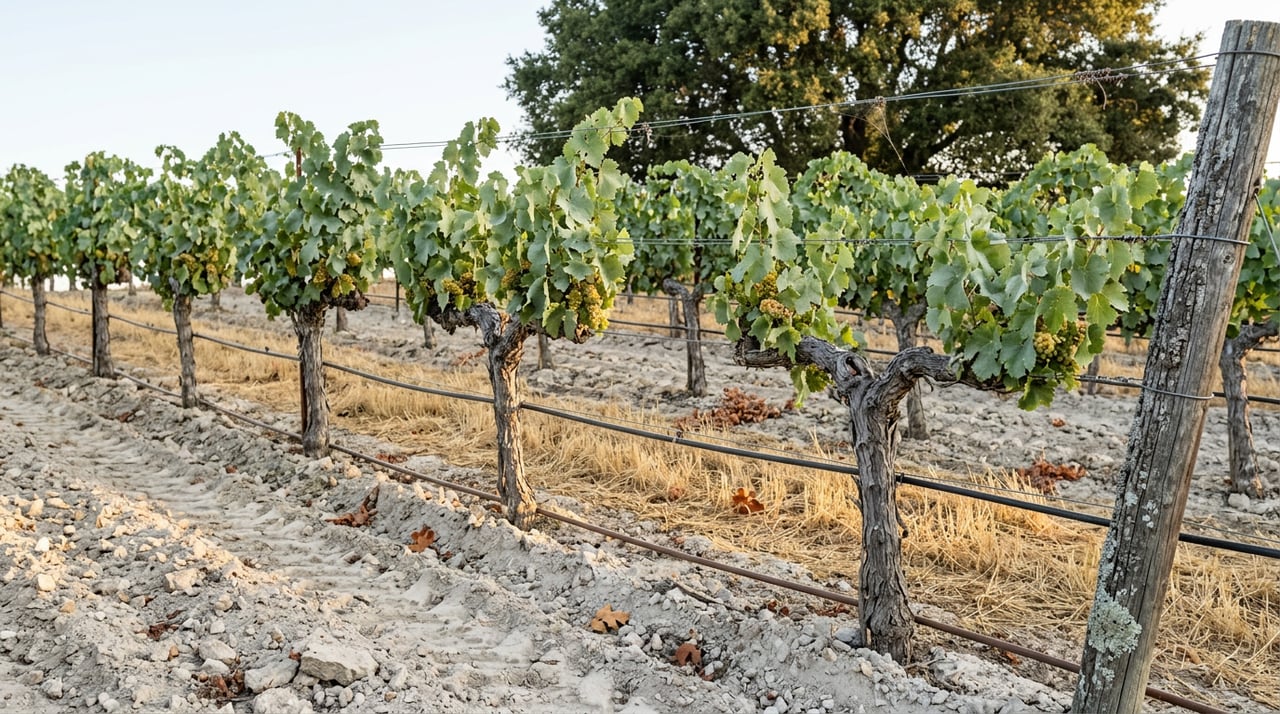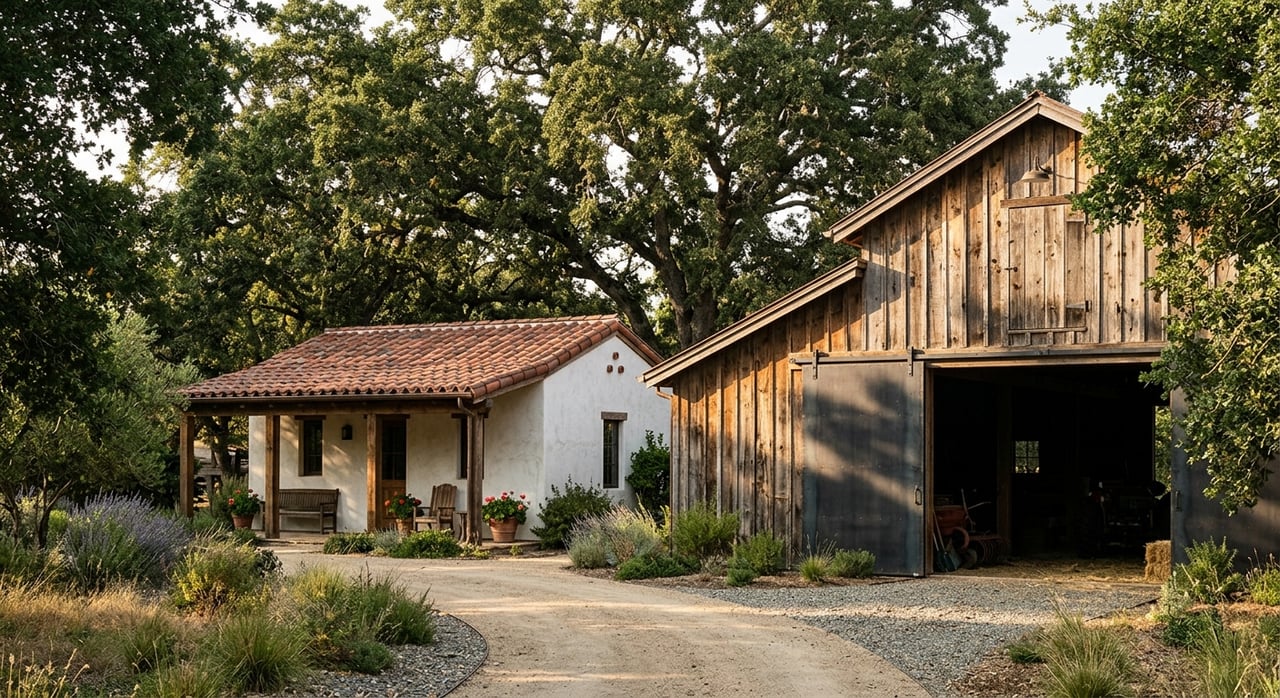
Wondering what ranch living in Dry Creek Valley really looks like day to day? It is easy to focus on vineyard views, quiet acreage, and the romance of Sonoma wine country, but owning land here also comes with practical decisions about water, buildings, access, and seasonal upkeep. If you are considering a ranch, vineyard home, or lifestyle property near Healdsburg, this guide will help you understand how Dry Creek Valley works in real life and what to pay attention to before you buy. Let’s dive in.
Why Dry Creek Valley Feels Different
Dry Creek Valley is a distinctly rural part of northern Sonoma County anchored by Healdsburg. According to the Dry Creek Valley Winegrowers, the valley stretches about 16 miles long and 2 miles wide, with roughly 9,000 planted acres, 70 wineries, and 150 growers. That scale helps explain why the area feels agricultural rather than suburban.
The setting also has more variety than many buyers expect. The valley includes floor, benchland, and hillside sites, with different soils, exposures, and microclimates across the region. For you, that can mean meaningful differences in privacy, views, sunlight, and how connected a property feels to the working landscape.
Climate is part of the appeal as well. Warm days, cool nights, and fog influence help define the growing season, while most rainfall arrives in winter and summer rain is minimal. That seasonal rhythm shapes both the scenery and the daily reality of maintaining rural land.
What Ranch Properties Often Include
In Dry Creek Valley, ranch and acreage properties often include more than just a main house. On many rural Sonoma parcels, it is common to see agricultural support structures such as barns, equipment buildings, storage spaces, or animal-related structures. Sonoma County also offers an agricultural building exemption for certain structures on parcels of five acres or more, though building, use, and zoning permits may still apply depending on the project.
You may also find some form of secondary living space. Sonoma County distinguishes among ADUs, JADUs, and guest houses, and county guidance defines a guest house as a detached accessory building with living space but no kitchen. In practice, that can look like a guest house, studio, caretaker space, or another permitted accessory structure that adds flexibility to the property.
That flexibility is one reason buyers are drawn to Dry Creek ranches. A property may support full-time living, weekend use, multigenerational visits, creative work, or agricultural operations, depending on the site and what is permitted. The key is to confirm exactly what exists, what was permitted, and what future changes may require county review.
How Owners Use Land in Dry Creek Valley
Not every ranch in Dry Creek Valley operates the same way. Some owners maintain vineyards or small farm operations, while others use the land primarily for privacy, scenery, and a slower pace near Healdsburg. The valley supports both working agricultural ownership and lifestyle-driven ownership, often within the same road corridor.
County policy makes an important distinction, though. In Sonoma County, visitor-serving uses such as tastings, tours, educational activities, incidental sales of local agricultural products, and promotional events are allowed only when they remain secondary and incidental to agriculture. That means the land is expected to stay grounded in agricultural use rather than function as a purely hospitality-driven property.
This matters if you are looking at a ranch with an eye toward hosting events or operating a tasting-related use. Some opportunities may exist, but they are subject to county rules, permits, and location-specific impacts. Dry Creek and Westside Roads are also identified by the county as concentration areas for wineries, tasting rooms, and event traffic, which can affect how a property lives from week to week.
Water Should Be a Top Priority
If you are buying acreage in Dry Creek Valley, water due diligence should be near the top of your list. Rural properties often depend on wells and septic systems, and county rules make clear that well construction permits are required for new or replacement wells. In certain groundwater availability areas, dry-weather well testing is also required for new or replacement dwellings and some ADUs.
This is not a minor detail. Sonoma County also stated that non-emergency well permitting was suspended under a December 17, 2024 court order. For buyers, that means existing water infrastructure, well history, permit status, and future feasibility deserve careful review early in the process.
A beautiful property can look simple on the surface while hiding major differences in utility resilience. Two parcels with similar acreage and views may have very different water profiles. That is one reason rural property evaluation in Dry Creek Valley requires more than a standard home search mindset.
Guest Houses, ADUs, and Accessory Space
Accessory space is part of the appeal for many Dry Creek Valley buyers. Whether you want room for guests, a studio, or separation between living and working space, these features can make a ranch more functional and more enjoyable. They are also common enough in Sonoma County that buyers often expect to see them on larger parcels.
Still, the details matter. Sonoma County treats ADUs, JADUs, and guest houses as different categories, and a guest house specifically does not include a kitchen. If a property is being marketed with multiple structures, you should understand how each one is classified and permitted before assuming how it can be used.
That distinction can affect future plans, resale value, and renovation decisions. It can also shape day-to-day lifestyle if you want a place for extended stays, caretaking support, or separate creative space. In ranch property, extra buildings are a major benefit when they are properly understood.
The Real Maintenance Side of Ranch Living
The visual calm of Dry Creek Valley can hide how active ownership really is. Rural properties often require ongoing attention to irrigation, vegetation, access roads, fencing, outbuildings, and seasonal land care. If the parcel includes vines or other crops, maintenance follows the rhythm of the agricultural calendar rather than the simplicity of a typical in-town lot.
Wildfire preparedness is one of the biggest realities to plan for. CAL FIRE says readiness starts with home hardening and defensible space, and it specifically calls for 100 feet of defensible space around a home where possible. The agency also advises people with pets and livestock to evacuate immediately when an evacuation warning is issued.
For you, that means fire planning is part of ownership from the start. It is not just a summer checklist. It becomes part of how you think about landscaping, access, storage, emergency planning, and the ongoing care of the property.
Traffic, Roads, and Rural Rhythm
Many buyers picture Dry Creek Valley as secluded, and in many ways it is. But rural quiet does not always mean complete isolation from the region’s visitor economy. Sonoma County policy notes that visitor-serving uses must remain compatible with rural uses and may be denied when local concentrations create road access conflicts, groundwater impacts, or harm to rural character.
In practical terms, some roads can feel busier during peak tourism periods, harvest season, or event windows. Delivery vehicles, tasting-room traffic, and wine-country weekend patterns can shape your experience depending on the parcel’s location. A property’s setting on paper may feel very different when you visit at different times of day or week.
That is especially relevant along known winery corridors. If you value privacy and ease of access, road position and traffic flow deserve as much attention as the house itself. The best fit often comes from balancing scenery with convenience and understanding the cadence of the area around you.
Healdsburg Adds Daily Convenience
One of Dry Creek Valley’s strongest lifestyle advantages is its relationship to Healdsburg. You can enjoy rural land and a sense of separation at home, then reach town for everyday needs, dining, shopping, and the Plaza environment. That blend is a big part of why the area appeals to both full-time residents and second-home buyers.
City planning materials describe downtown Healdsburg as walkable and centered on the historic Plaza, with many tasting rooms, boutique hotels, and locally owned shops nearby. For ranch owners, that means acreage living does not have to feel remote in an impractical way. You can have land, views, and a strong connection to town at the same time.
That balance is especially valuable if you want a property that feels restorative without sacrificing access. In Dry Creek Valley, the lifestyle is not only about what happens on the land. It is also about how easily you can move between quiet country living and the services of a compact town anchor.
What Smart Buyers Look At First
When you tour ranch properties in Dry Creek Valley, it helps to focus on the essentials before getting swept up in the setting. The views are real, but so are the operational details. A thoughtful review can save time and help you compare properties more clearly.
Here are a few of the first items worth reviewing:
- Water source, well history, and any known permitting issues
- Septic setup and overall utility profile
- Classification and permit status of guest houses, ADUs, or other structures
- Access roads, grade, and seasonal usability
- Defensible space needs and general wildfire readiness
- Agricultural infrastructure such as barns, storage, or irrigation components
- Proximity to winery traffic or concentration areas along local roads
A ranch purchase is often as much about land systems as it is about architecture. The strongest buying decisions usually come from understanding both.
If you are weighing a purchase or preparing to position a Dry Creek property for sale, local context makes a real difference. Graham Sarasy brings a place-based understanding of Healdsburg wine country, with the discretion and high-touch guidance these complex properties deserve.
FAQs
Is Dry Creek Valley in Healdsburg rural or suburban?
- Dry Creek Valley is rural in character, with an agricultural landscape shaped by vineyards, larger parcels, and a much lower density than suburban areas.
Can a Dry Creek Valley ranch host events or tastings?
- Sometimes, but Sonoma County rules require visitor-serving uses to remain secondary and incidental to agriculture, and permits and site-specific limits may apply.
Are guest houses and ADUs common on Sonoma County ranch properties?
- Yes, accessory living spaces are common on acreage properties, but Sonoma County treats ADUs, JADUs, and guest houses as different categories with different rules.
Why is water such a big issue for Dry Creek Valley acreage buyers?
- Many rural properties depend on wells and septic systems, and county rules around well permits, testing, and groundwater availability can directly affect use and future plans.
What is the biggest hidden responsibility in ranch living near Healdsburg?
- Ongoing maintenance is often the biggest surprise, especially wildfire defensible space, irrigation, road upkeep, and seasonal agricultural land care.
Does living in Dry Creek Valley still give you access to town amenities?
- Yes, Healdsburg serves as the area’s town anchor, giving many Dry Creek residents practical access to downtown services, shops, and the Plaza environment within a short drive.