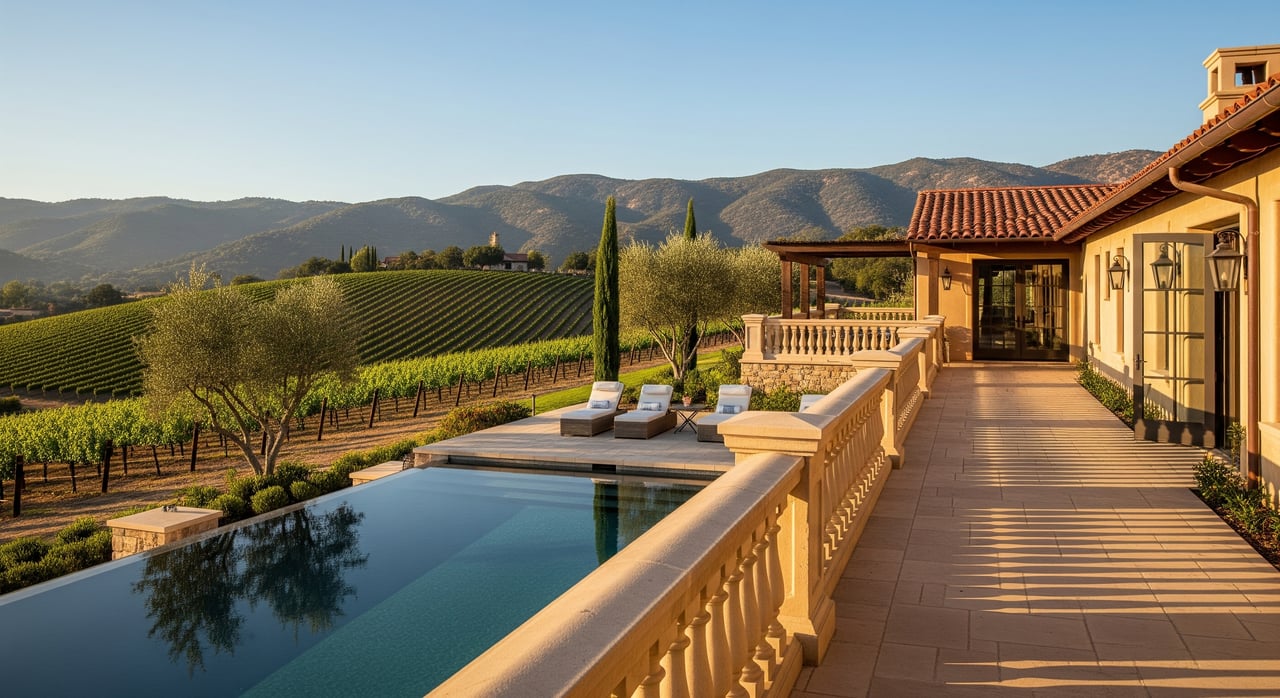
Are you picturing a Northern Sonoma wine‑country estate but torn between Dry Creek and Alexander Valley? You are not alone. From Temecula, both valleys look stunning on paper, yet they deliver different microclimates, views, and operations. This guide compares what matters most for an estate purchase and gives you a step‑by‑step checklist to move forward with confidence. Let’s dive in.
The big picture
Location and scale
Both Dry Creek Valley and Alexander Valley sit northeast of Healdsburg in Sonoma County and are distinct AVAs with strong reputations. Alexander Valley is larger and more elongated, shaped by a broad river corridor. Dry Creek is smaller and more tightly contained by hills and creek drainages. That difference shapes everything you see and feel on the ground, from views to parcel patterns.
Travel logistics for Temecula buyers
From Southern California, plan for a long trip. Expect a multi‑hour drive or a short flight into a regional airport near Santa Rosa or into the Bay Area, then a 1 to 2 hour drive, depending on traffic. Build in multi‑day visits so you can tour properties at different times of day, meet local specialists, and explore tasting rooms and services. Lining up local contacts before you arrive will make every hour count.
Microclimate and season
Dry Creek often runs cooler in its upper reaches and along shaded creek corridors. Morning fog can touch lower elevations, and daily swings between daytime warmth and cool nights create a moderately long growing season that supports Zinfandel, aromatic whites, and select Rhône or Italian varieties.
Alexander Valley is generally warmer, especially on mid‑valley benchlands and lower slopes, with a longer ripening season that favors Cabernet Sauvignon, Merlot, and fuller‑bodied reds. Nighttime marine cooling still occurs, but daytime highs can run warmer than many Dry Creek sites.
Buyer checks:
- Request site‑specific growing‑season data, including mean temperature and frost history.
- Verify slope, elevation, and exposure. Microclimate can change within minutes of driving.
- If wine production is a goal, test assumptions with sensor readings or pilot blocks.
Topography and views
Dry Creek’s narrower valley shape delivers intimate creek corridors, rolling hills, and terraced vineyard blocks. Views often feel close and sheltered, with oak‑scaped hillsides and vineyard rows unfolding near the road.
Alexander Valley’s broad valley floor offers long, open vistas with panoramic sightlines down the valley axis. You will also find larger ranch parcels with oak woodlands and expansive privacy.
Buyer checks:
- Decide whether you prefer creekside intimacy or broad panoramas.
- Consider sunrise and sunset orientation and privacy buffers from roads or neighbors.
- Walk potential homesites and vineyard blocks morning and afternoon to confirm light and views.
Soils and vineyard fit
Dry Creek typically features well‑drained gravels, river terraces, and mixes of loam with clay pockets. The drainage profile supports Zinfandel, Sauvignon Blanc, and certain Rhône and Italian varieties.
Alexander Valley often shows deeper alluvial soils on benches and gravelly loams on terraces and slopes. These soils retain heat and align well with heavier reds, especially Cabernet Sauvignon.
Buyer checks:
- Obtain a soils map, prior vineyard records, and rootstock and trellis details.
- Confirm soil depth, rock fraction, and drainage to guide planting density and vigor.
- Factor percolation outcomes into septic planning for the residence and any hospitality use.
Varietals and wine styles
Dry Creek is historically notable for Zinfandel and Sauvignon Blanc, with respected old‑vine Zinfandel and crisp, aromatic whites. You will also find Syrah and other Rhône and Italian selections.
Alexander Valley has a strong reputation for Cabernet Sauvignon and other Bordeaux varieties. Many estates also produce Merlot, Zinfandel, and blending grapes, but the identity leans toward fuller‑bodied reds.
Buyer checks:
- Align varietal goals with site climate and soils, not just the AVA name.
- If commercial sales matter, confirm the target market and AVA branding fit.
- Consider small pilot plantings or consultant input before large capital moves.
Parcel sizes and land use
Dry Creek tends to offer small‑to‑mid sized vineyard properties, from single‑digit acres into several tens of acres. Many boutique producers work compact hillside parcels.
Alexander Valley spans a broader range, from small holdings to large ranches measuring tens to hundreds of acres. You will see more opportunities for large single‑owner estates and multi‑parcel assemblages.
Buyer checks:
- Review zoning, minimum parcel sizes, and what is possible for subdivisions.
- Verify irrigation and water rights. Confirm any winery or hospitality permits on record.
- Map out space for equipment, parking, and visitor circulation if you plan on hosting.
Community and services
Dry Creek carries an intimate, quieter rural neighborhood character with tasting rooms in small clusters and a tight‑knit vintner community. The feel is boutique and hands‑on.
Alexander Valley reads as a mixed rural community with larger ranches and more infrastructure for bigger production. The pace can feel more expansive and agricultural.
Buyer checks:
- Choose your preferred social and operational scene: boutique and walkable or ranch‑style and spread out.
- Weigh proximity to Healdsburg and Santa Rosa services, schools, and vineyard labor.
- Ask about local vineyard managers, contractors, and seasonal workforce availability.
Access and logistics
Both AVAs are within reach of regional airports serving Santa Rosa and are about 1 to 2 hours from the Bay Area, traffic dependent. For long‑distance buyers, factor total time door to door.
Estate logistics to confirm:
- Year‑round road access for residents, guests, and farm equipment.
- Distance to winery services, supplies, and production facilities if needed.
- Transport routes for fruit or finished wine, plus on‑site storage and turnaround space.
Risk: wildfire, water, and permits
Wildfire is a regional reality. Risk varies by slope, fuels, and access. Fire insurance availability and premiums can change quickly. Plan for defensible space, hardening, and clear evacuation routes.
Water availability can vary. Vineyards may rely on surface water, groundwater wells, or hauled water. You should verify water rights, well logs, irrigation infrastructure, and quality and quantity testing.
Permitting is specific in Sonoma County for wineries, agricultural buildings, and improvements. Setbacks, septic and percolation requirements, and winery use permits are key constraints.
Buyer checks:
- Pull CalFire risk maps and consult the local fire district on requirements and best practices.
- Obtain well reports and water rights documentation, then test water production and quality.
- Schedule a planning‑department pre‑application meeting before committing to any winery or major improvement.
Estate decision checklist
Use this as a quick reference while you compare specific properties:
- Viticultural fit: varietals matched to slope, aspect, soils, and climate
- Scale: acreage for vineyard, residence, guest and agricultural structures
- Views and privacy: creekside and terraced intimacy or broad valley panorama
- Operations: hobby use, commercial production, and any tasting or hospitality goals
- Access and logistics: airport reach, drive times, and road quality
- Water and utilities: well capacity, water rights, and power reliability
- Risk management: wildfire exposure, defensible space, and insurance options
- Regulatory: zoning, winery permits, septic and building constraints
- Community: proximity to town, vintner network, and tourism flow
- Budget margin: vineyard rehab or conversion, drainage, erosion control, winery buildout
Tour and inspection plan
Before touring:
- Request property flyovers, soils reports, topographic maps, well logs, irrigation details, and past crop records.
- Ask for any winery permits, water rights documents, and wildfire mitigation records.
On‑site priorities:
- Walk vineyard blocks and homesites morning and afternoon to compare light and views.
- Assess access roads, turnarounds for equipment, and visitor parking potential.
- Inspect drainage and erosion risks, and verify any existing controls on slopes.
- Note proximity to neighbors, visibility from public roads, and potential nearby development.
Technical inspections:
- Engage a viticultural consultant for varietal and rootstock recommendations.
- Commission a soils and geotechnical report, plus a percolation test.
- Obtain a licensed well inspection with quantity and quality testing.
- Review wildfire risk with the local district and document hardening and defensible‑space needs.
- Consult a land‑use or winery‑permitting specialist to scope timelines and conditions.
Tour logistics for long‑distance buyers:
- Plan multi‑day visits to experience fog, afternoon warmth, and evening cooling.
- Meet local vineyard managers, well drillers, and fire‑mitigation specialists for early cost ranges.
Which valley fits your vision?
Choose Dry Creek if you value an intimate, boutique setting, terraced hillsides, and a viticultural mix that excels with Zinfandel and crisp whites. The sheltered feel, smaller parcels, and tight‑knit community suit hands‑on owners who want character, access to town, and a calm rural cadence.
Choose Alexander Valley if you seek scale, broad panoramas, and a warmer season aligned with Cabernet Sauvignon and other Bordeaux grapes. Larger ranch options, long sightlines, and more expansive agricultural operations can support bigger ambitions and privacy.
If you are weighing both, start with varietal goals, scale, and the feel you want when you step outside your door. Then let soils, water, access, and permitting narrow the field. For a tailored short list and a tour plan that respects your time, connect with a local expert who lives and works these valleys every day.
Ready to move from ideas to addresses? Start a confidential conversation with Graham Sarasy to align your estate vision with the right Sonoma Valley.
FAQs
Which AVA is stronger for Cabernet Sauvignon?
- Alexander Valley is generally favored for Cabernet due to warmer benchlands and deeper alluvial soils, while Dry Creek is better known for Zinfandel and aromatic whites.
How much acreage do I need for a wine estate?
- Hobby vineyards can begin on 2 to 5 acres, small commercial wineries often start around 5 to 20 plus acres, and full commercial estates commonly exceed 20 to 50 plus acres.
What hidden costs should I budget for in Sonoma estates?
- Expect vineyard establishment or renovation, irrigation and water permits, wildfire mitigation and insurance, septic and wastewater systems, road maintenance, and code compliance.
How do I verify microclimate and soils before buying?
- Request nearby weather station data, hire a viticultural consultant, conduct soil borings and percolation tests, and review prior vineyard records for performance and pest issues.
How do wildfire and water risks factor into a purchase?
- Pull CalFire hazard maps, confirm defensible‑space needs, verify well logs and water rights, and test water production and quality before you finalize terms.
What should Temecula buyers know about travel planning?
- Plan a multi‑day visit, expect a long drive or a flight plus a 1 to 2 hour drive from regional airports, and schedule meetings with local specialists while you are in town.