If you are thinking about selling in Chalk Hill Estates, timing can shape everything from buyer interest to how your land and vineyard improvements are perceived. In a market where estate properties often move differently than in-town homes, choosing the right sale window is less about guesswork and more about aligning market seasonality, presentation, and operations. The good news is that the local data points to a practical path. Let’s dive in.
Why timing matters in Chalk Hill
Chalk Hill estate properties sit in a more specialized segment than the broader Healdsburg market headlines suggest. Public market snapshots for Healdsburg and Sonoma County showed a balanced market in March 2026, with a 33-day median time on market and a 100% sale-to-list ratio, while 95448 showed a $1.499 million median listing price.
That said, acreage and estate properties often take longer to sell. BAREIS MLS March 2026 area data showed average days on market of 88 for Healdsburg residential properties and 118 for lots and acreage. For sellers in Chalk Hill, that gap is important because it suggests your ideal launch should be planned around estate-specific conditions, not just town-level averages.
The best sale window is usually spring
For most Chalk Hill estate owners, the strongest listing window is late March through May. This timing lines up with 2026 housing research showing that spring remains the most active season for new listings and contract signings, especially when a property is priced realistically and presented well.
Realtor.com also reported that the week of April 12 through 18 has historically brought 16.7% more views and homes that sell about nine days faster than average. Redfin’s 2026 timing analysis adds an important California angle, noting that on the West Coast, the best time tends to arrive earlier than in other parts of the country. In California, the prime period is often before spring fully peaks, which supports a practical Chalk Hill target of late March through May.
Why Chalk Hill shows best in spring
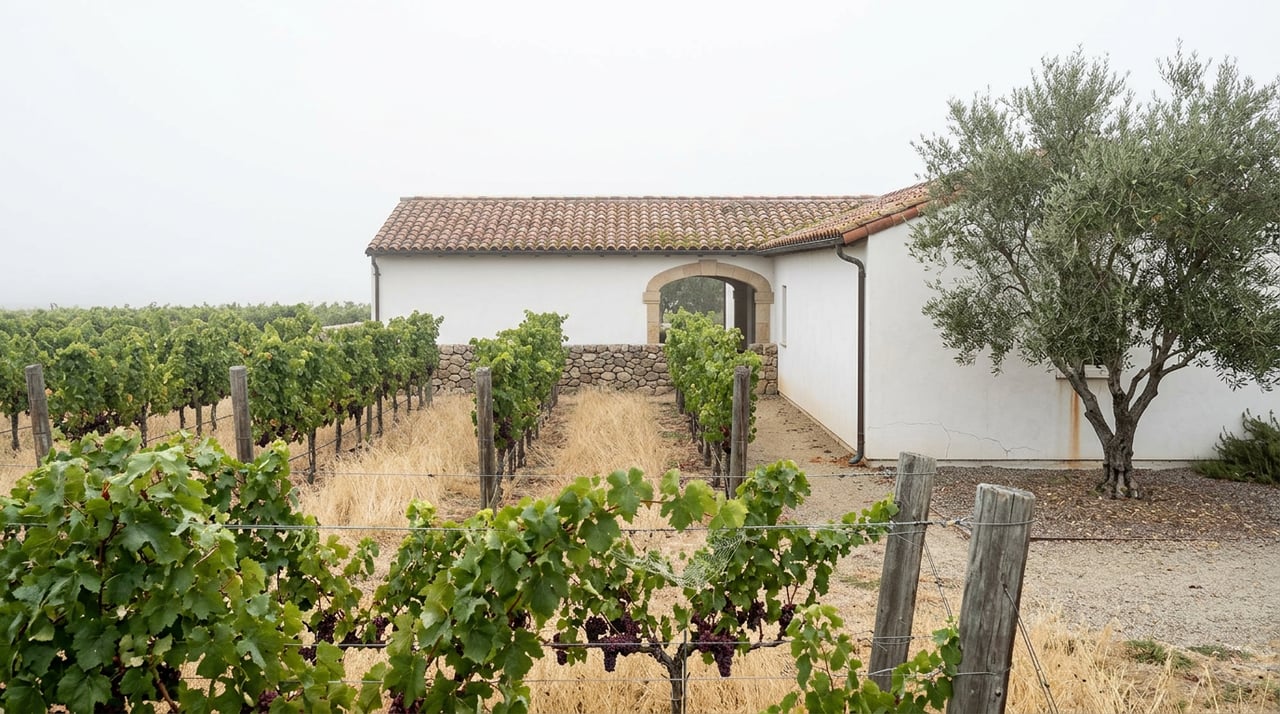
Spring is not only about buyer activity. It is also when many vineyard and estate properties simply look their best. Sonoma County’s grape-growing calendar shows pruning in January and February, bud break in mid-March through April, and flowering from mid-April into June.
That seasonal change can make a big difference in first impressions. In late March and spring, vineyards begin to green up, mustard season adds color, and the overall property feels more alive. For photography, drone work, and in-person showings, that visual lift can help buyers connect more quickly with the land and its setting.
June can still work well
If you miss the core spring window, June can still be a strong secondary option. By then, vineyard canopies are fuller, the property can still present beautifully, and you may still benefit from active early summer buyer traffic.
The key is preparation. By June, sellers should have pricing, repairs, staging, landscaping, and marketing assets fully in place. Waiting too long can mean running into heavier summer inventory and a more competitive environment.
Summer brings more competition and complexity
Summer is not necessarily a bad time to sell, but it is usually less efficient for Chalk Hill estates than spring. Inventory tends to build later, which can give buyers more options and make it harder for a property to stand out.
For estate and vineyard properties, summer can also bring practical issues. Exterior maintenance demands rise, landscaping needs to stay crisp, and operational details become more visible. If a property is not fully dialed in, a summer launch can feel more reactive than strategic.
Harvest season tells a strong story, but it is busier
Early fall can appeal to some sellers because harvest season is visually compelling and deeply tied to wine-country identity. For the right buyer, an active vineyard during harvest can reinforce the property’s purpose and character.
Still, harvest usually comes with tradeoffs. Sonoma County’s harvest season generally runs from August through October, often with activity in the early morning or at night. On a working vineyard estate, that can mean more equipment, more crew movement, brighter lighting, and less privacy, all of which can make showings and scheduling more complicated.
Fall is more situational than spring
A fall listing can make sense if the harvest narrative is a major part of the property’s appeal and if your likely buyer understands vineyard operations. In that case, the activity itself may support the story of the asset.
For many sellers, though, fall is a narrower window with more variables. Buyer traffic may still be solid, but the selling process can be less flexible and less predictable. If the estate is not already curated, staged, and operationally ready, waiting for the next spring may be the more disciplined move.
Wildfire readiness matters for late-summer sales
In Sonoma County, late summer and early fall also bring added focus to wildfire conditions. Local fire guidance notes that burn permits are only required between May 1 and the end of declared fire season, usually in November or December, and permit suspensions often occur during summer and fall.
For sellers, the larger point is readiness. Buyers are likely to look closely at defensible space, access roads, brush clearance, irrigation, and exterior upkeep. A late-summer or early-fall launch can work, but it tends to work best when the property already feels clearly maintained, accessible, and fire-ready.
What balanced market data does and does not tell you
At first glance, the broader market may appear straightforward. Healdsburg and Sonoma County both registered balanced conditions in March 2026, with 33-day median days on market in public data snapshots.
But estate sellers should be careful not to rely too heavily on those broader averages. Chalk Hill properties often involve acreage, operational components, privacy considerations, and a smaller buyer pool. That means pricing strategy should be grounded in estate and acreage comparables, not just median citywide trends.
Pricing strategy should match the segment
Timing helps, but pricing is what turns interest into action. Spring demand can create momentum, yet buyers in the estate segment still tend to be selective and methodical. They often compare land quality, improvements, operational details, and long-term fit before making an offer.
That is why a well-timed launch works best when paired with realistic pricing from day one. The research shows that sellers who price appropriately are seeing better traction, especially in a market where luxury and land-based properties can move more slowly than standard residential inventory.
A longer runway often leads to a better launch
Many Chalk Hill owners benefit from planning well in advance. A 12- to 24-month preparation window can be sensible for a high-value rural property because it gives you time to organize repairs, address vegetation management, refine records, and prepare a presentation that feels complete.
That longer timeline also supports better decision-making. Instead of rushing into the market, you can evaluate the next spring window, line up photography when the vineyard is at its most attractive, and bring the property forward with a more confident strategy.
A practical sale calendar for Chalk Hill
If your goal is to capture strong buyer attention with fewer operational hurdles, this general calendar is a useful guide:
- January to February: Prepare the property, review valuation, organize records, and plan improvements while vineyards are dormant.
- Late March to May: Best overall launch window for buyer activity, visual appeal, and pre-summer positioning.
- June: Good secondary window if the property is fully ready and priced well.
- August to October: Situational window that can work for vineyard-focused buyers, but comes with harvest logistics and higher wildfire scrutiny.
- Winter: More limited visually, though some buyers may still engage if they are focused on structure, acreage, and due diligence.
The ideal window depends on your property’s story
No two Chalk Hill estates are exactly alike. A legacy vineyard, a lifestyle-driven second home, and a large agricultural holding may all call for slightly different timing depending on operations, presentation, and the buyer profile most likely to respond.
In most cases, though, the research points to the same conclusion: spring offers the clearest advantage. It combines stronger seasonal demand, better vineyard presentation, and fewer operational and wildfire-related complications than later windows in the year.
If you are considering a sale in Chalk Hill, thoughtful planning can make the difference between simply listing and launching with purpose. For guidance on valuation, timing, and a tailored go-to-market strategy for a distinctive wine-country property, request a confidential consultation with Graham Sarasy.
FAQs
When is the best time to list a Chalk Hill estate for sale?
- For most sellers, the strongest window is late March through May, with June as a solid backup if the property is fully prepared.
Should a Chalk Hill vineyard estate list before or after harvest?
- Usually before harvest if your goal is easier showings, simpler logistics, and a smoother sale process.
Does winter make sense for selling a Chalk Hill estate?
- It can, especially for buyers focused on acreage and due diligence, but the vineyard is usually less visually compelling during dormancy and pruning season.
Why do Chalk Hill estates take longer to sell than in-town Healdsburg homes?
- Estate and acreage properties often serve a smaller, more selective buyer pool and may involve more due diligence, which can extend the timeline.
How far ahead should Chalk Hill sellers prepare for a sale?
- A 12- to 24-month runway can be helpful for pricing strategy, repairs, vegetation management, record gathering, and launching in the best spring window.