Thinking about buying or benchmarking a vineyard in Alexander Valley? You are not alone. Owners and investors look to 95448 for Cabernet potential, steady winery demand, and the prestige of an established Sonoma AVA. In this guide, you will learn the core factors that drive vineyard value here, how to verify them, and what to prepare before you negotiate. Let’s dive in.
Alexander Valley at a glance
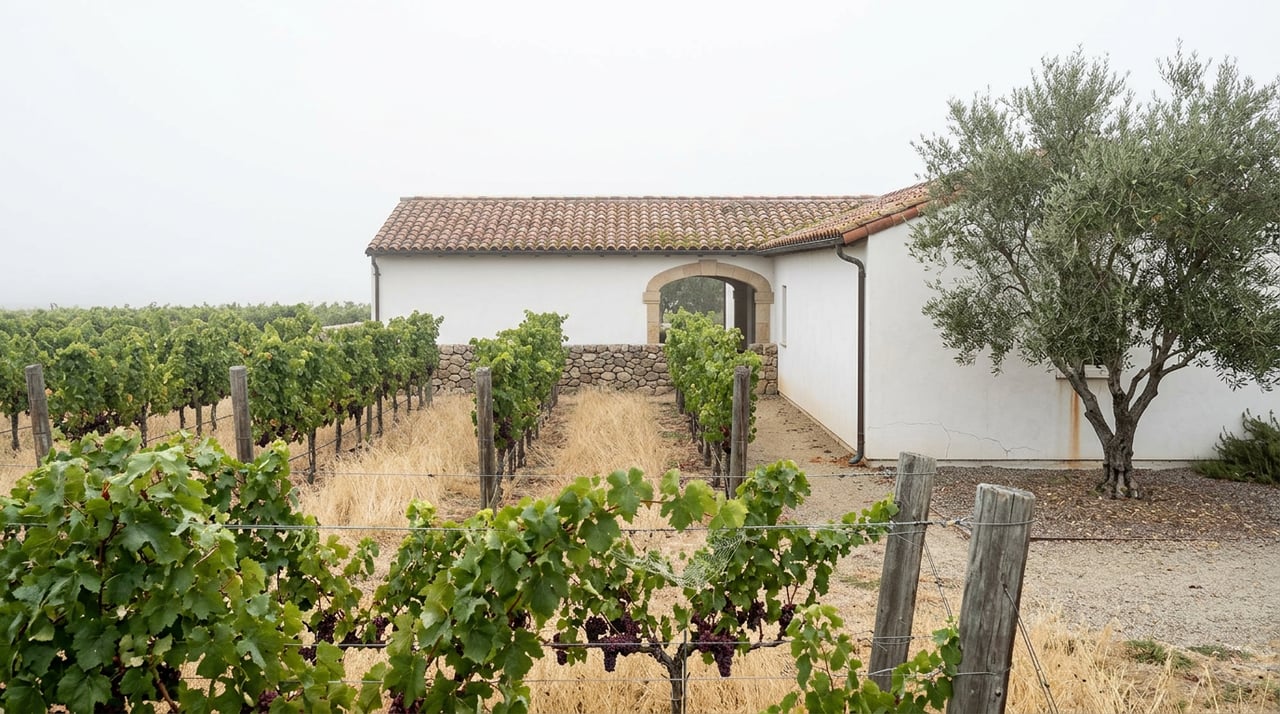
Alexander Valley sits in northern Sonoma County and is known for warm-climate reds, especially Cabernet Sauvignon and Bordeaux-style blends. The AVA name on a label carries marketing weight that can support pricing and winery interest. For both buyers and sellers, that regional identity matters when you position a property and its fruit.
Daytime warmth is paired with cooling influences that create helpful diurnal swings. These shifts support Cabernet phenolics and balanced acidity. Within the AVA, sites vary a lot based on elevation, slope, and proximity to the Russian River or riparian corridors. That means two neighboring parcels can deliver very different outcomes.
Soils are often alluvial, gravelly, and well draining. These profiles suit deep-rooting red varieties and help control vigor. Pockets of heavier clay may require different rootstocks or irrigation strategies. Soil depth, drainage, and access to water infrastructure all feed into long-term performance and value.
What drives vineyard value
Varietal mix with Cabernet at the core
Cabernet Sauvignon is the headline variety in Alexander Valley. Blocks planted mostly to Cabernet, especially with recognized clones and well-matched rootstocks, tend to draw more buyer interest. Value ties back to expected grape price and winery demand. Cabernet with consistent quality and a strong contract history typically outperforms commodity whites or lower-demand reds.
What to verify:
- Clone, rootstock, vine spacing, and trellis details by block
- Historical fruit quality, including lab data when available
- Grape contract terms, delivered price per ton, quality bonuses, and renewals
Vine age and life stage
Age is not just a number. It often signals future costs, production consistency, and potential quality.
- Newly planted or replants under 7 years: minimal bearing, value rests in land and potential
- Young bearing, 7 to 15 years: production ramps, quality may still be developing
- Mature, 15 to 30 years: reliable tonnage and quality, often preferred by buyers
- Old vines over 30 to 40 plus years: scarcity and character can support premiums, though yields may be lower
Older, well-maintained Cabernet blocks can command premiums because they are scarce and proven. If there are replant needs due to disease, rootstock mismatch, or pests, near-term value is reduced by replacement cost and downtime. Ask for a vineyard map that shows age by block, plus replant and disease history.
Farming approach and certifications
Buyers increasingly ask about sustainability and farming practices. In Sonoma County, programs include SIP Certified, CCOF for organic, and Demeter for biodynamic. Certifications and strong stewardship can broaden your buyer pool, especially for wineries with sustainability targets, though premiums vary by buyer and market.
There are tradeoffs. Organic or biodynamic transitions may reduce yields for a period and come with time and cost. Investments in soil health, cover crops, erosion control, and integrated pest management can improve long-term economics and appeal. Verify current certifications, spray logs, soil tests, and any transition timelines before you underwrite value.
Water access, rights, and infrastructure
Reliable water is often the single biggest differentiator in vineyard value, especially during drought cycles. Sources include groundwater wells that pull from local aquifers, surface water access where available, and any agency or municipal supply connections. Infrastructure details matter. Well depth and yield, pump condition, storage, filtration, and drip systems all affect operating reliability and future costs.
Check for regulatory and physical risks. California groundwater rules and drought curtailments can affect availability and expense. Review well logs, pump test results, water quality, and historical notices or curtailments. Confirm any rights, shared wells, or agreements, and understand how resilient the system is in dry years.
AVA cachet, visibility, and proximity
Being in Alexander Valley helps from a marketing standpoint. Proximity to wineries, custom crush facilities, and high-traffic tasting corridors can add value. Parcels that supply known buyers or can appear on high-profile labels tend to carry stronger income potential. Zoning, road access, views, and tourism dynamics also influence highest and best use. County rules around agricultural production and winery development are important inputs to your plan.
Market proof that supports price
Production history and economics
Good documentation is your friend. Appraisers and serious buyers look for multi-year performance by block, not just a good season. Key proof points include:
- Tons per acre by block for the last 3 to 5 years
- Delivered grape prices and any quality bonuses under contract
- Production costs per acre for labor, inputs, water, and maintenance
- Net returns per acre under typical contracts
A consistent record under the same management team strengthens valuation and confidence.
Contracts and off-take stability
Long-term, transferable grape contracts add value because they secure revenue and reduce volatility. Short term or spot market sales create more risk. Confirm whether contracts are assignable, remaining term, quality specs, and any first-refusal or termination clauses. Stable relationships with respected buyers often command a premium.
Physical and capital items to inventory
Many “small” items add up in value and risk. Inventory irrigation system age and type, trellis and end-post condition, vine spacing, frost or freeze protection, roads, buildings, and any equipment included in the sale. These details inform both your operating plan and your negotiation strategy.
Appraisals and comps
Appraisers typically blend three approaches: comparable vineyard sales, income capitalization based on projected net returns, and replacement cost analysis. For smaller or unique parcels, income and comparable sales can diverge. Strong production and contract data help explain value when comps are thin.
Risks that can reduce value
- Wildfire and smoke: Recent years increased insurance costs and introduced smoke-taint risk for grapes. Review CalFire hazard maps, any local mitigation requirements, and the property’s fire and smoke exposure history.
- Water and regulation: Evolving groundwater rules and drought curtailments may change available supply and cost to irrigate.
- Labor: Seasonal labor availability and rising regulatory costs affect net returns.
- Pests and disease: Phylloxera, nematodes, and trunk diseases can trigger replanting or added management expense.
- Insurance and financing: Lenders focus on wildfire exposure, water security, production history, and contract strength. Difficult-to-insure parcels can see weaker buyer demand.
A practical checklist for your next step
Use this concise checklist to benchmark value or screen a property quickly.
- Parcel and title
- Legal description, APN, total and planted acreage, easements, development rights, conservation easements
- Vineyard condition and production
- Block map with age, rootstock, clones, spacing, trellis
- Yield records for the last 3 to 5 years by block
- Harvest reports and fruit quality data such as Brix, pH, TA, and lab tests
- Water and infrastructure
- Well logs, pump tests, water rights or agreements
- Irrigation system inventory, drip layout, filtration, and storage tanks or ponds
- Recent drought or curtailment notices
- Contracts and income
- Grape grower agreements, price history, quality bonuses, custom crush or processing agreements
- Management and inputs
- Spray records, fertilizer programs, soil tests
- Certification paperwork for SIP, organic, or biodynamic programs
- Labor contracts or service agreements
- Risk and insurance
- Wildfire and smoke exposure history, loss history
- Current insurance policies, premiums, and wildfire exclusions
- Regulatory and permitting
- Zoning confirmation, any winery or tasting room entitlements
- Septic or wastewater permits, county agriculturist notifications
- Capital and replacement costs
- Recent improvements and near-term needs for replant or trellis work
- Estimated replacement cost per acre for mature Cabernet, supported by local contractor quotes
How sellers can position for premium results
Present a professional vineyard packet that answers a buyer’s questions up front. Include a current block and age map, agronomic and spray records, 3 to 5 years of yields and delivered prices, grape contracts and any quality bonuses, water documentation with well logs and pump tests, and a list of improvements. This reduces friction during diligence, improves confidence, and can support stronger pricing. If you plan to replant or convert farming systems, include a clear timeline and cost outline so buyers can model the impact.
How buyers can screen opportunities fast
Focus first on water security, production history, and contract stability. Confirm that the varietal mix fits Alexander Valley demand, with Cabernet at the core. Review farming practices and any certification status to understand both marketability and cost structure. Finally, stress test risk factors, including fire and insurance availability, before you move to offer.
Ready to benchmark your vineyard or pursue a purchase in 95448 with discretion and clarity? Reach out to Graham Sarasy to Request a confidential consultation.
FAQs
How much is an Alexander Valley vineyard worth per acre?
- It depends on recent comparable sales, documented production, and contract security. Gather 3 to 5 years of block-level yields, delivered prices, and buyer relationships to establish a realistic range.
Does the Alexander Valley AVA add a price premium?
- The AVA designation supports marketability and can help achieve higher grape prices for in-demand varieties like Cabernet, but the premium depends on site quality, exposure, and current buyer demand.
How important is water access for vineyard value in 95448?
- It is critical. Reliable well yield or secure surface or agency supply often drives value in drought cycles. Verify well logs, pump tests, storage, and any rights or restrictions.
Do sustainability or organic certifications increase value?
- They can expand your buyer pool and sometimes support premiums, but the benefit varies. Consider transition costs and potential yield impacts alongside market positioning.
What documents should a seller prepare before listing?
- Create a complete packet: block and age maps, 3 to 5 years of yields and delivered prices, grape contracts, water documentation, farming records, certifications, risk and insurance history, and recent capital improvements.