If your idea of wine-country living includes morning coffee near the Plaza, easy walks to dinner, and quick access to Sonoma County’s best-known tasting routes, downtown Healdsburg deserves a close look. For many buyers, the appeal is not just the address. It is the mix of historic character, pedestrian-friendly streets, and a location that puts daily life and weekend recreation within easy reach. If you are weighing downtown against a rural estate or second-home purchase, this guide will help you understand how downtown Healdsburg works, what to expect, and where the trade-offs matter most. Let’s dive in.
What downtown living means
In Healdsburg, “downtown” is centered around the Plaza, which the city identifies as its primary activity node and commercial center. According to the City of Healdsburg General Plan, the area is defined by pedestrian orientation, locally owned businesses, and historic character, with residential uses continuing to support downtown vitality.
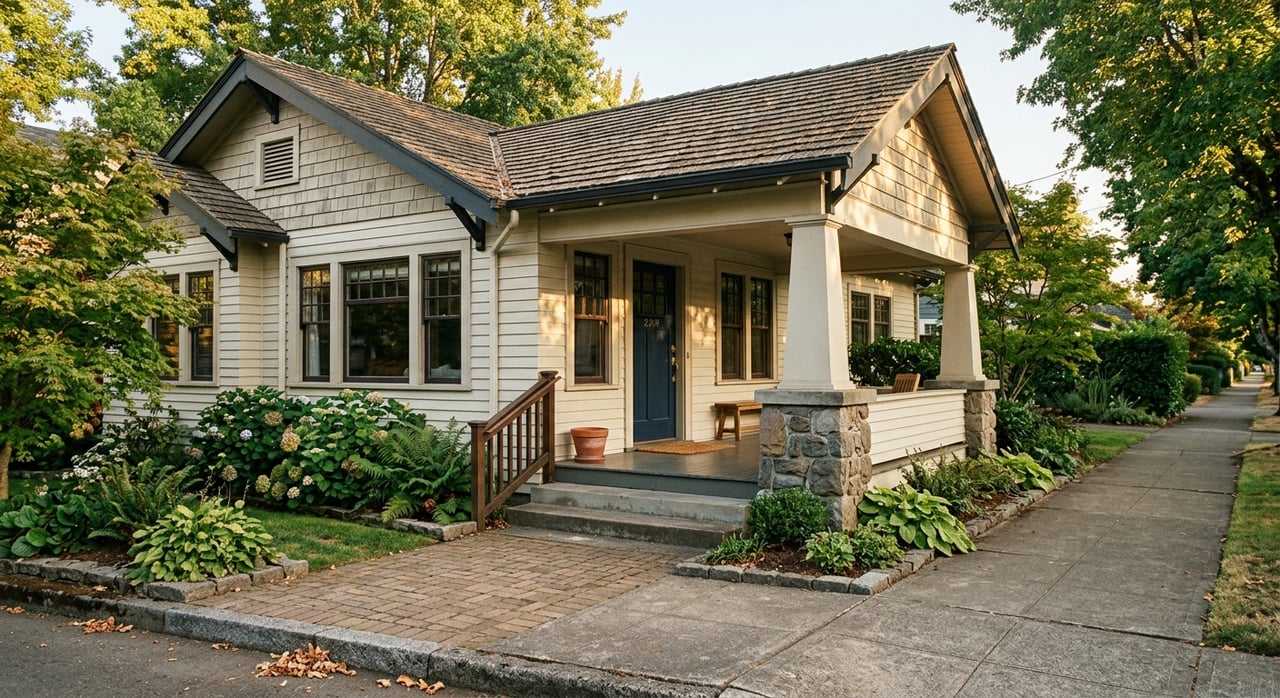
That matters because downtown Healdsburg does not read like a dense urban core. Instead, nearby housing tends to blend older residential streets, small-scale multifamily properties, and mixed-use or commercial-adjacent homes. The city’s design guidance identifies the closest residential area to downtown as its oldest housing stock, made up mainly of detached single-family homes with a smaller number of multifamily developments.
For you as a buyer, that means the downtown lifestyle is often tied to scarcity, charm, and location rather than large lots or newer subdivision-style inventory. If you want to be near the center of town, you are usually choosing character and convenience over sheer square footage or acreage.
Historic homes shape the area
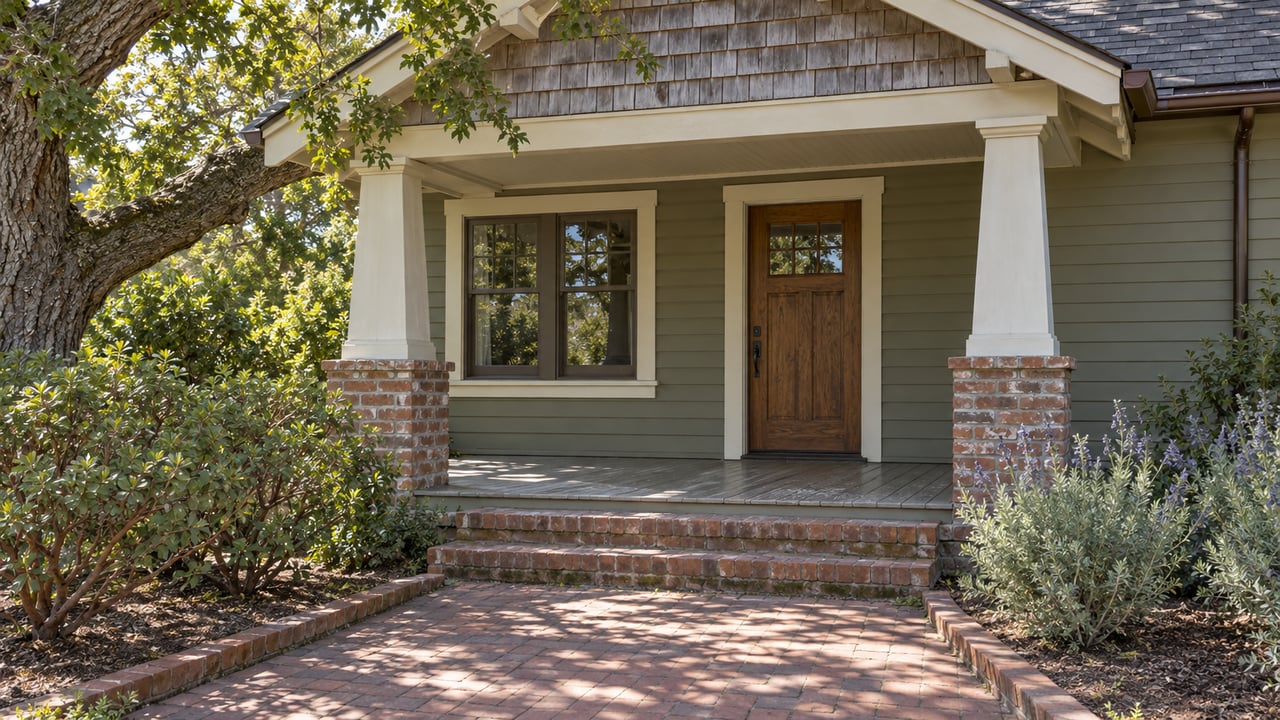
One of downtown Healdsburg’s biggest draws is its architectural texture. The city’s historic materials note that the Johnson Street and Matheson Street historic districts include older styles such as Victorian, Italian Renaissance, Homestead, and various Revival styles, helping create the visual identity many buyers associate with central Healdsburg.
That character can also come with added review requirements. In historic district overlay areas, exterior changes, second-story additions, demolition, and larger modifications may require design review and, in some cases, Historic Committee approval.
This is not necessarily a drawback, but it is important to understand upfront. If you are drawn to a historic home because of its provenance and setting, you should also expect that future changes may involve a more structured approval process than they would in a non-historic setting.
Market pricing reflects scarcity
Healdsburg is part of a very expensive housing market, and current pricing snapshots reinforce that point. The city’s housing planning materials describe Healdsburg as being within one of the most expensive housing markets in the country.
Recent market data shows why. Zillow’s Healdsburg home value data reported an average home value of $1,102,688 and a median list price of $1,481,000 as of March 31, 2026. The same source showed 61 homes for sale at that time.
The research also notes that Realtor.com reported a $1,580,000 median list price, 116 active listings, $867 median price per square foot, and 53 median days on market in February 2026, while Redfin reported a $897,500 median sale price and $588 median sale price per square foot for February 2026. These figures are not directly interchangeable, but together they point to the same conclusion: Healdsburg is a high-cost market with relatively limited supply.
For downtown buyers, pricing often reflects factors beyond bedroom count alone. You are typically paying for proximity to the Plaza, walkability, a historic setting, and the convenience of being close to Healdsburg’s commercial and social core.
Walkability is a real advantage
For many wine-country buyers, downtown Healdsburg stands out because it supports a more connected daily routine. The city’s planning materials describe downtown as walkable, with shops and services concentrated around the Plaza and along Healdsburg Avenue.
That translates into a lifestyle that can feel easier and more spontaneous. You may be able to leave the car parked for coffee, lunch, dinner, or errands, which is a meaningful contrast to more rural properties where nearly every outing requires a drive.
If you are shopping for a second home or lower-maintenance primary residence, this can be one of downtown’s strongest advantages. Instead of managing acreage, gates, wells, or longer rural drives, you may be prioritizing access and simplicity.
Lifestyle comes with trade-offs
Downtown Healdsburg is lively by design. The Healdsburg Plaza hosts summer concerts and community events, and the city notes that these events contribute significantly to quality of life for residents and visitors. The city has also approved an ongoing parklet program to enhance activity and vibrancy downtown, with updated guidelines effective January 2026.
That energy is part of the appeal, but it also creates a different rhythm than a secluded wine-country estate. You should expect more activity, more public events, and less privacy than you would find on a multi-acre property outside town.
The city’s code enforcement guidance also notes that business permits can regulate live music, operating hours, noise, and alcohol service. Construction is generally limited to Monday through Saturday from 7:30 a.m. to 6 p.m., while city-permitted special events are exempt from the noise rules.
In practical terms, downtown living asks you to decide what matters more. If you value immediate access to restaurants, tasting rooms, and events, the trade-off may feel well worth it. If you need a quieter, more private environment, a rural setting may be the better fit.
Short-term rental rules matter
This is one of the most important points for buyers to verify carefully. Healdsburg’s vacation-rental rules are restrictive, and downtown ownership should not be treated as automatic short-term-rental ownership.
According to the city’s vacation rental summary, vacation rentals are permitted only in the CD (Downtown Commercial) zoning district and require a Conditional Use Permit. They are not permitted in residential zoning districts, have a 29-day maximum rental period, and the city notes that most properties will not qualify because of zoning restrictions.
The city’s vacation rental information page and Transient Occupancy Tax information add more context. The current TOT rate is 14% for lodging within city limits, and the city advises prospective customers to verify permit and annual fire and safety inspection status. Verified violations can result in fines and possible criminal prosecution.
If income potential is part of your purchase plan, zoning and permit status should be reviewed early. In Healdsburg, assumptions about flexible short-term rental use can quickly lead buyers in the wrong direction.
Downtown as a wine-country base
Downtown Healdsburg appeals to many buyers because it functions as a practical base for several distinct wine-country experiences. You are not just buying access to town. You are also buying a launch point for exploring the surrounding valleys.
Dry Creek Valley is described by its winegrowers as anchored by Healdsburg. The valley is about 16 miles long and 2 miles wide, with Healdsburg serving as a dining base and starting point for biking, wineries, and other amenities.
The Russian River Valley neighborhood map shows the region stretching from Sebastopol to Santa Rosa and Forestville to Healdsburg, placing southern Healdsburg near the Middle Reach area. For buyers interested in cooler-climate tasting routes, this keeps downtown in the orbit of a major Pinot Noir and Chardonnay region.
To the north and east, Alexander Valley is described as lying north of Healdsburg and east of Geyserville, extending 25 miles north to south with the Russian River running through it. The area is framed as a rural agricultural community with a broad vineyard landscape.
If you are a second-home buyer, this is where downtown Healdsburg becomes especially compelling. You can enjoy a walkable in-town setting while staying closely connected to Dry Creek, Russian River, and Alexander Valley. That combination is hard to replicate in many other wine-country markets.
Who downtown Healdsburg fits best
Downtown is often the strongest fit for buyers who prioritize walkability, low-maintenance ownership, and immediate access to town life. That can include Bay Area second-home buyers, lifestyle-focused downsizers, or anyone who wants to enjoy Healdsburg without taking on the responsibilities of a larger rural property.
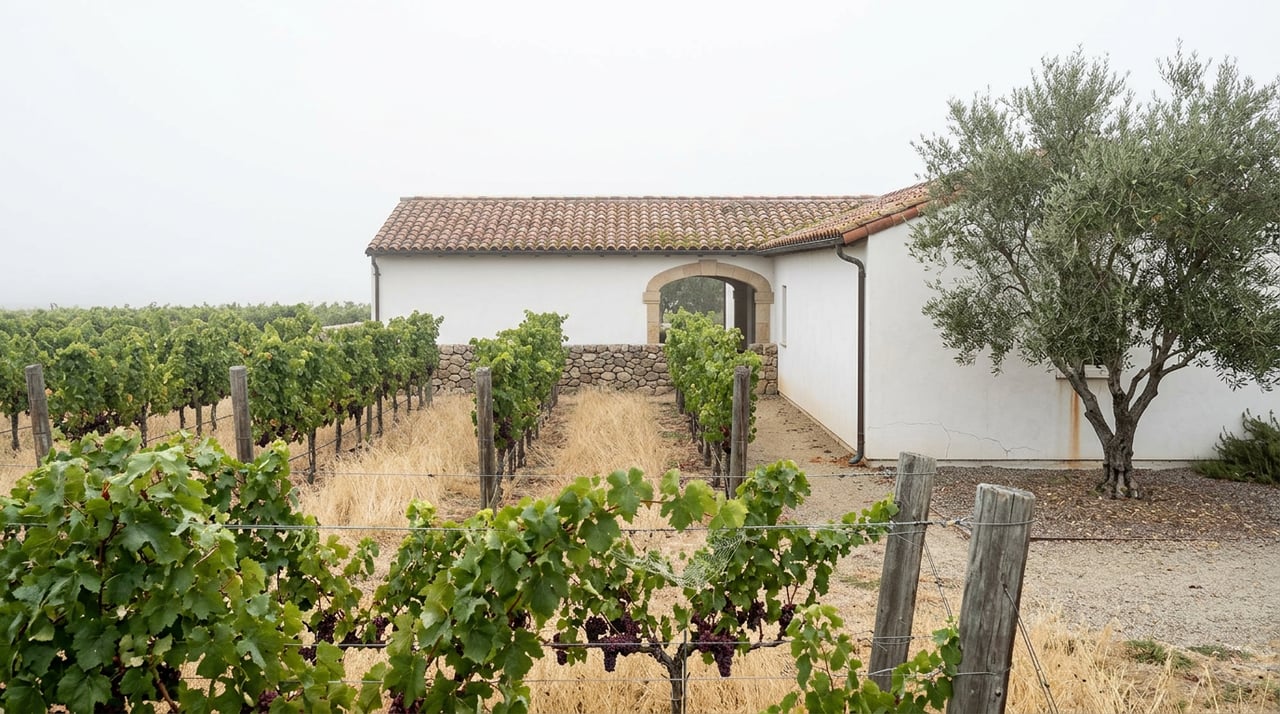
By contrast, buyers seeking acreage, privacy, and a more secluded setting may be happier outside town. Rural estates can offer a very different ownership experience, with more land, more separation, and a quieter atmosphere.
The right choice depends on how you want to live when you are here. If your ideal day starts with a walk to the Plaza and ends with dinner nearby, downtown may feel like the natural fit. If your priority is long views, agricultural land, and privacy, a country property may align better with your goals.
What to evaluate before you buy
Before you move forward on a downtown Healdsburg purchase, it helps to assess a few practical issues:
- Property type: Is the home historic, mixed-use, commercial-adjacent, or in a residential zoning district?
- Future plans: If you may renovate or expand, will historic review or design approval apply?
- Use strategy: If rental income matters, does the property’s zoning support your intended use?
- Lifestyle fit: Are you comfortable with more activity, events, and a less private setting?
- Value priorities: Are you choosing walkability and convenience over acreage and seclusion?
Those answers can clarify whether downtown Healdsburg is simply attractive on paper or genuinely aligned with the way you want to own and use property in wine country.
If you are considering downtown Healdsburg or comparing it with vineyards, estates, or rural lifestyle properties nearby, working with a local advisor can make the trade-offs much clearer. To explore the market with a measured, place-based perspective, connect with Graham Sarasy.
FAQs
What does downtown living in Healdsburg usually include?
- Downtown Healdsburg usually means living near the Plaza and central commercial area, often in a mix of older single-family homes, small multifamily properties, and some mixed-use or commercial-adjacent residential settings rather than large subdivision neighborhoods.
Are historic homes near downtown Healdsburg subject to extra rules?
- Yes. In historic district overlay areas, exterior changes, larger additions, second stories, and demolition may require design review and in some cases Historic Committee approval.
Can you use a downtown Healdsburg home as a short-term rental?
- Not automatically. The city states that vacation rentals are allowed only in the CD Downtown Commercial zoning district with Conditional Use Permit approval, and they are not permitted in residential zoning districts.
Is downtown Healdsburg quieter than a rural estate?
- Usually no. Downtown offers convenience and access to events, restaurants, and public activity, while rural estates generally provide more privacy and a quieter setting.
How expensive is the Healdsburg housing market?
- Recent research snapshots show a high-cost market, including Zillow’s reported average home value of $1,102,688 and median list price of $1,481,000 as of March 31, 2026, though pricing figures vary by source and methodology.
Why do buyers choose downtown Healdsburg over country property?
- Many buyers choose downtown for walkability, lower-maintenance ownership, and quick access to the Plaza, dining, and nearby wine regions such as Dry Creek Valley, Russian River Valley, and Alexander Valley.