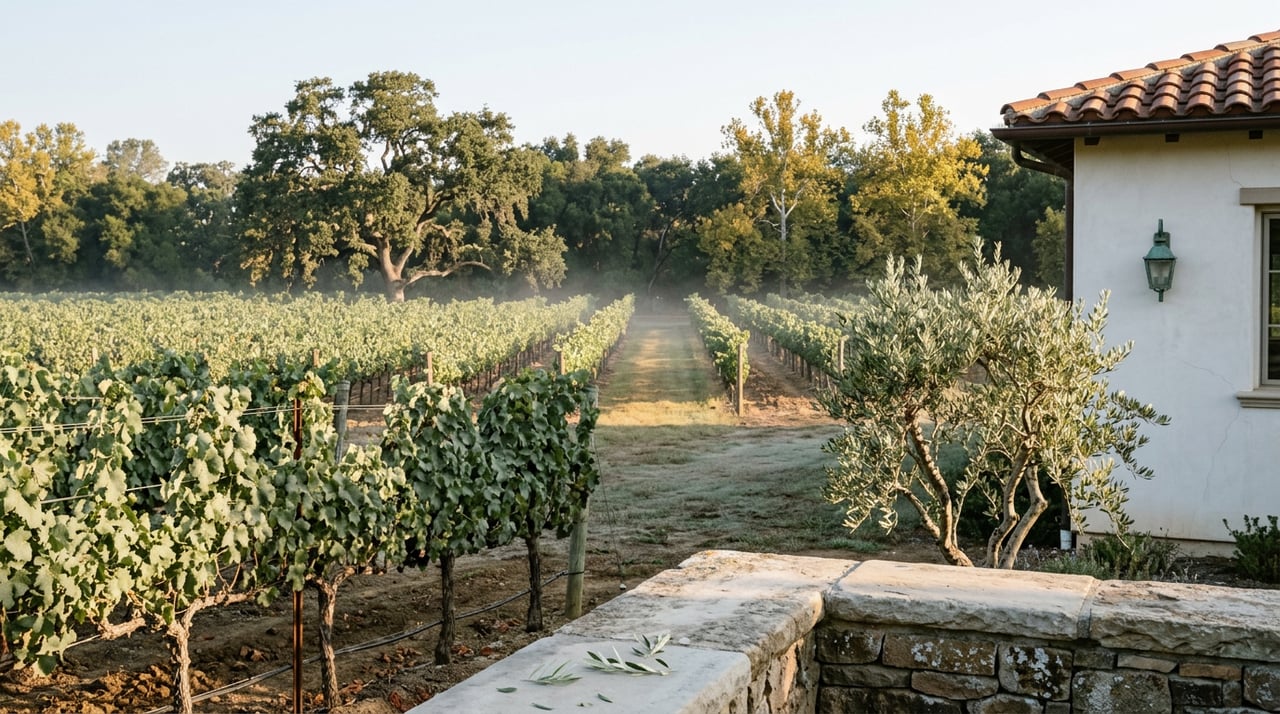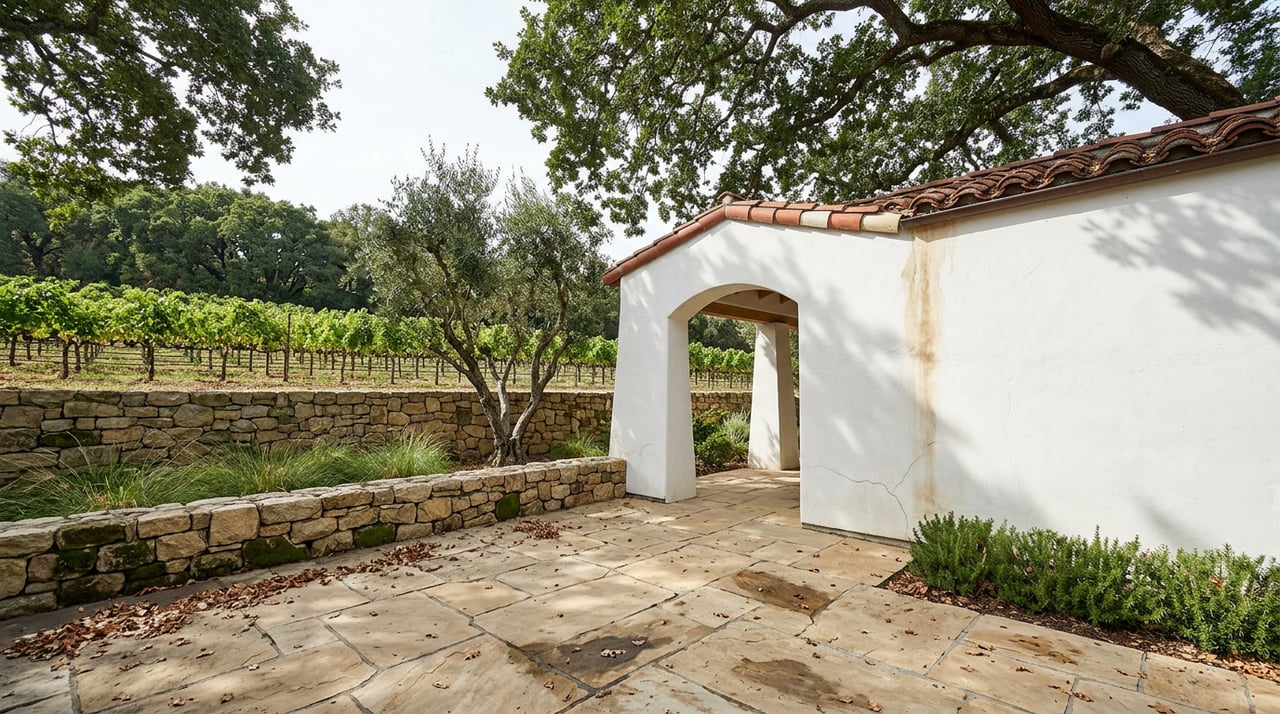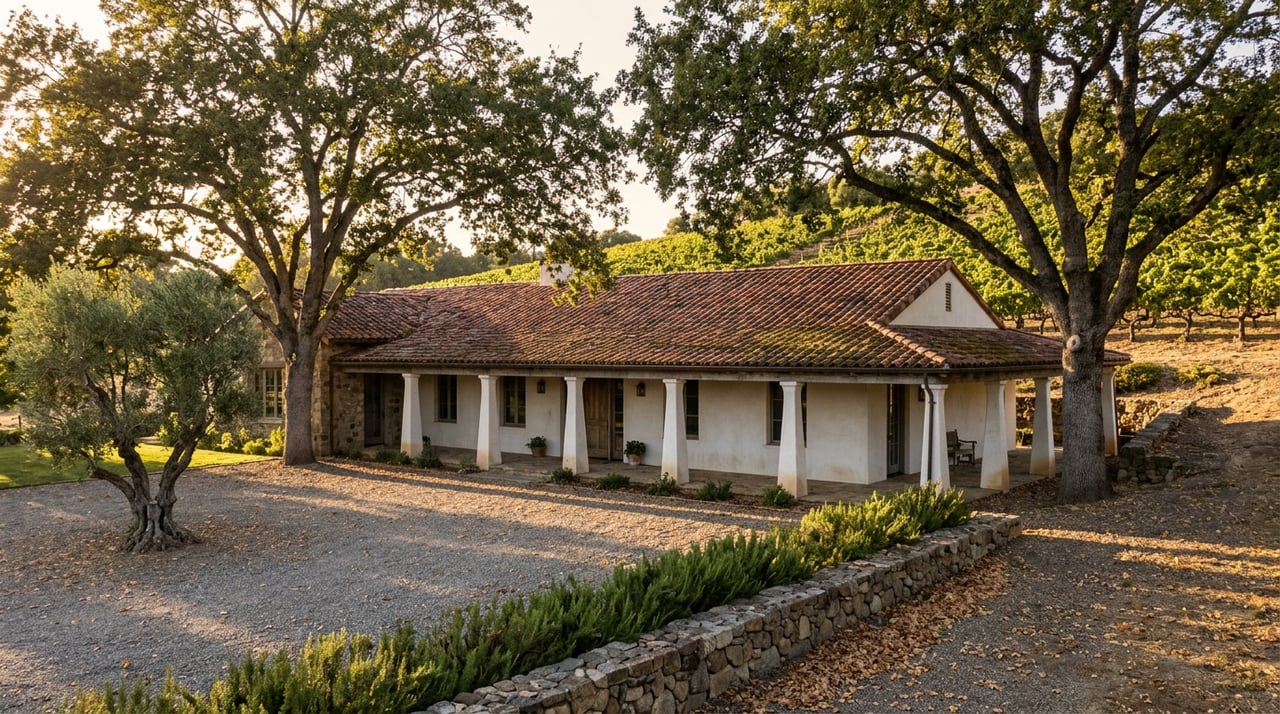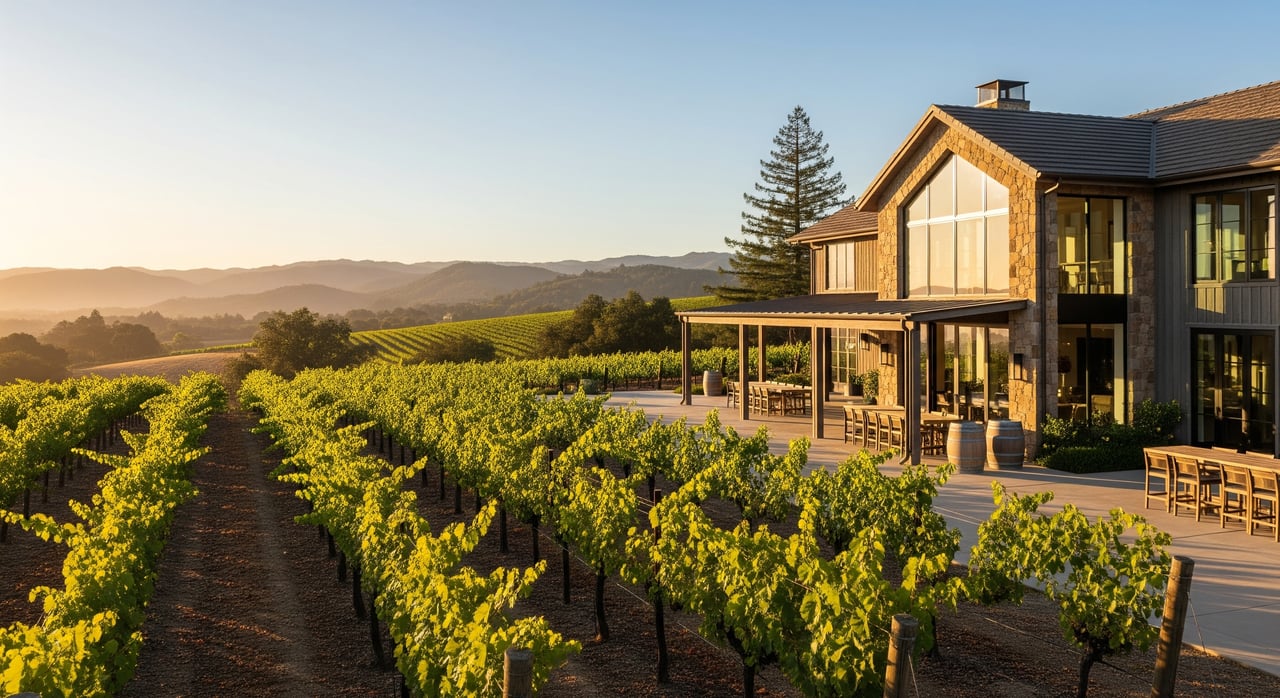
Are you trying to make sense of wine country headlines while deciding when to buy or sell in Healdsburg? You’re not alone. Estate and vineyard properties move to a different rhythm than in-town homes, and national news can blur what’s actually happening on the ground. In this guide, you’ll learn how rates, inventory, AVA dynamics, and seasonality shape values in Northern Sonoma County, plus practical steps to position your next move with confidence. Let’s dive in.
Healdsburg wine country at a glance
Post-pandemic shifts and the interest-rate cycle have cooled and then stabilized demand. Rising rates through 2022 and 2023, followed by some easing in 2024, changed how buyers assess large, financed purchases. Rural luxury markets like Healdsburg often adjust on a lag, but they remain sensitive to financing and a relatively small buyer pool.
Healdsburg’s mix of second-home, lifestyle, and investor buyers differs from more urban Sonoma County areas. You can expect more pronounced seasonality, more private activity off the MLS, and longer timelines for high-value estates and vineyards. For in-town homes, inventory tends to run tighter; for vineyards and ranches, inventory is more variable and often segmented by acreage and improvements.
MLS medians are useful for broad context, but specialty assets behave differently. Higher price tiers typically show wider spreads in price-per-acre and longer days on market. For meaningful insight, segment your view by property type and price band.
AVAs and demand drivers
AVA identity is a key driver of interest and value for vineyard properties. Reputation, grape suitability, and parcel norms vary widely across Healdsburg’s surrounding appellations.
Russian River Valley
This cooler zone south of Healdsburg is known for Pinot Noir and Chardonnay. Parcels tend to be smaller and closer to town services. Established vines with production records and branding potential can command premiums.
Dry Creek Valley
Dry Creek is recognized for Zinfandel and a diverse mix of varieties. Topography is more rugged in places, and parcels range from hobby sites to production acreage. Infrastructure and water access often make the difference in pricing.
Alexander Valley
East of Healdsburg, Alexander Valley is warmer and well suited to Cabernet Sauvignon and other Bordeaux reds. Larger parcels are common, and price-per-acre often scales with usable, plantable acreage and any winery or vineyard improvements.
Chalk Hill
A smaller AVA within the broader area, Chalk Hill’s unique soils and microclimates attract buyers pursuing specific varietal styles. The right soil and water profile can materially influence both demand and financing.
How AVA traits translate to value
- Brand and reputation: Well-known AVAs can add perceived value, especially when tied to winery branding or grape contracts.
- Varietal fit: Cooler AVAs favor Pinot and Chardonnay; warmer AVAs favor Cabernet and Bordeaux reds, which influences revenue potential.
- Parcel norms: Parcel size and usable acreage shape price-per-acre. A 10-acre producing site prices differently than a 40-acre mixed-use ranch.
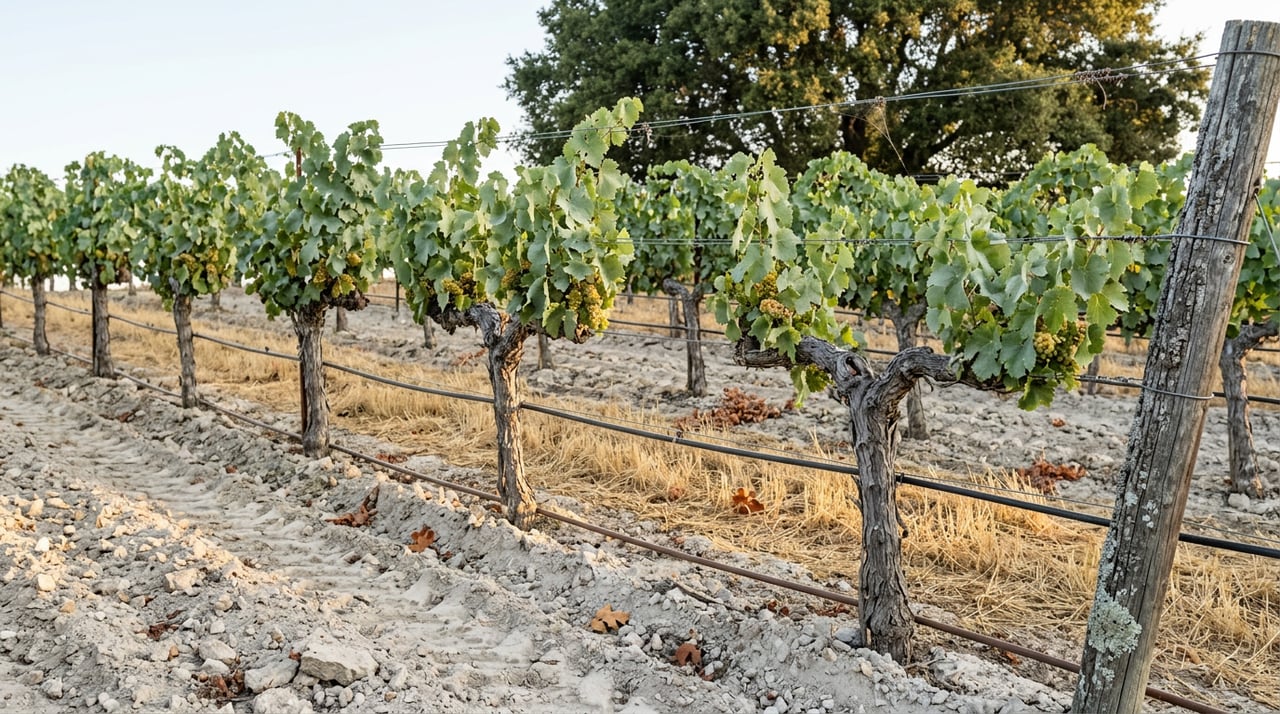
- Improvements: Vine age, trellis and irrigation systems, frost protection, and any winery buildings add value beyond raw land.
- Water and soils: Water rights and soil quality often determine both marketability and long-term viability.
What key metrics mean here
Understanding a few core metrics will help you read the Healdsburg-area market with clarity.
Inventory and months of supply
Active listings and months of inventory signal balance between buyers and sellers. In rural segments, a handful of listings can swing this metric, so compare within logical segments like in-town single-family homes, 5 to 20 acre hobby vineyards, and 20-plus acre production estates.
Median price vs. price-per-acre
Median sale price is a blunt tool for estates and vineyards. Use price-per-usable-acre for vineyards and adjust for vine age, production history, and improvements. For luxury homes on acreage, look at replacement cost and land utility alongside comps.
Days on market
High-value properties commonly have longer timelines. A spike in days on market can reflect seasonality or a gap between pricing and buyer expectations. Track rolling 12 to 24 month windows to smooth out one-off sales.
Sale-to-list price ratio
This ratio highlights pricing tension. Consider it alongside condition, improvements, and marketing strategy, and remember that private or off-market sales may not appear in public data.
New listings and pending pace
Watch the flow of new listings and the rate at which they go pending. In vineyards, note that some “sold off-market” transactions bypass traditional listing channels.
Price bands and tier behavior
Segment by practical bands: in-town condos and townhomes, in-town single-family, hobby vineyards, and production estates. Each band has its own buyer profile, financing dynamic, and timeline.
Seasonality and timing
Seasonality is more pronounced in wine country than in many urban markets.
Spring listing window
Late winter through early summer often brings the most new listings and showings. Sellers benefit from fresh landscaping and favorable weather; buyers get more selection and clearer momentum signals.
Harvest considerations
From August to October, vineyard operations take priority. Showings and closings can slow, and many sellers prefer to avoid disrupting the harvest. Plan due diligence with your agrarian calendar in mind.
Off-market and private activity
High-end estates and production vineyards frequently trade off-market. For sellers, this can provide discretion with curated exposure; for buyers, local relationships can unlock opportunities that never hit the MLS.
Due diligence for vineyard and estate buyers
Before you write an offer, assemble a plan to verify operational and environmental fundamentals.
- Production records: yields, grape contracts, historical per-ton pricing, and payment schedules.
- Vineyard condition: vine age, clone and rootstock, disease history, trellis and canopy systems, irrigation type and system condition.
- Water and rights: well permits, groundwater data, surface water rights, and any irrigation district agreements.
- Soils and topography: lab tests, erosion risks, and suitability for planned varietals or improvements.
- Permits and entitlements: zoning, ag-exemption status, septic capacity, building and grading permits, and any winery-specific approvals.
- Environmental risks: wildfire risk mapping, defensible-space requirements, historic burn severity, and watershed or riparian constraints.
- Easements and encumbrances: access easements, conservation restrictions, and Williamson Act enrollment.
Tip: For vineyard valuations, compare recent sales of similar AVA parcels with the same varieties, age, and production history.
Financing and insurance realities
Agricultural and estate purchases often require specialized partners and lead times.
Lenders who know vineyards
Expect different underwriting than a conventional home loan. Lenders may require reserves, documented vineyard income, or a credible operating plan for non-producing land. Loan-to-value ratios can be more conservative.
Wildfire and insurance
Wildfire risk can influence both lender approval and carrier availability. You should evaluate mitigation measures, insurance quotes, and any lender-required conditions early. Home hardening, defensible space, and water access can improve insurability and timelines.
For sellers: position to win
- Segment your comps: Price within the right tier and AVA to avoid misleading MLS averages.
- Lead with documentation: Provide production records, water well data, permits, and any winery approvals up front.
- Show operational readiness: Detail irrigation, trellis, frost protection, and any recent capital improvements.
- Plan for seasonality: Align listing timing with vineyard operations and buyer travel patterns.
- Consider curated exposure: Discreet marketing can reach qualified buyers without overexposing sensitive assets.
For buyers: make smart offers
- Clarify your use case: Lifestyle retreat, income production, or both. This guides parcel size, AVA selection, and improvements.
- Focus on usable acreage: Price and value hinge on plantable or producing acres, not just gross acreage.
- Underwrite like an operator: Review yields, contracts, and cost structures. Stress-test revenue assumptions.
- Prioritize water and risk: Verify water rights and insurance options before you finalize terms.
- Assemble the right team: Engage a lender familiar with ag collateral and consultants for soils, water, and vineyard health.
Track the market with confidence
For ongoing clarity, monitor county-level MLS summaries and association reports for median prices, inventory, and days on market. Supplement those with AVA-specific comparables and vineyard production data when you evaluate acreage. In a niche, high-value market, the right segmentation and documentation are as important as timing.
If you are weighing a sale or exploring a purchase in Healdsburg wine country, you can get a clear, data-informed plan tailored to your goals. Start a private conversation with Graham Sarasy to align timing, pricing, and strategy.
FAQs
How do interest rates affect Healdsburg estate prices?
- Higher rates reduce purchasing power and can lengthen timelines, while easing rates tend to stabilize demand in luxury rural segments with smaller buyer pools.
What does AVA reputation really add to vineyard value?
- AVA brand helps, but value still rests on production records, usable acreage, water, and improvements; compare to recent sales of similar parcels within the same AVA.
How should I use price-per-acre for vineyards?
- Focus on price per usable or producing acre and adjust for vine age, trellis, irrigation, and any grape contracts or winery improvements.
Why do some wine country properties sell off-market?
- Many high-end estates and production vineyards trade privately for discretion; curated networks can match qualified buyers without broad public exposure.
How does wildfire risk shape buying and financing?
- Wildfire exposure can affect insurance availability, lender terms, and buyer confidence; evaluate mitigation measures and quotes early in your timeline.