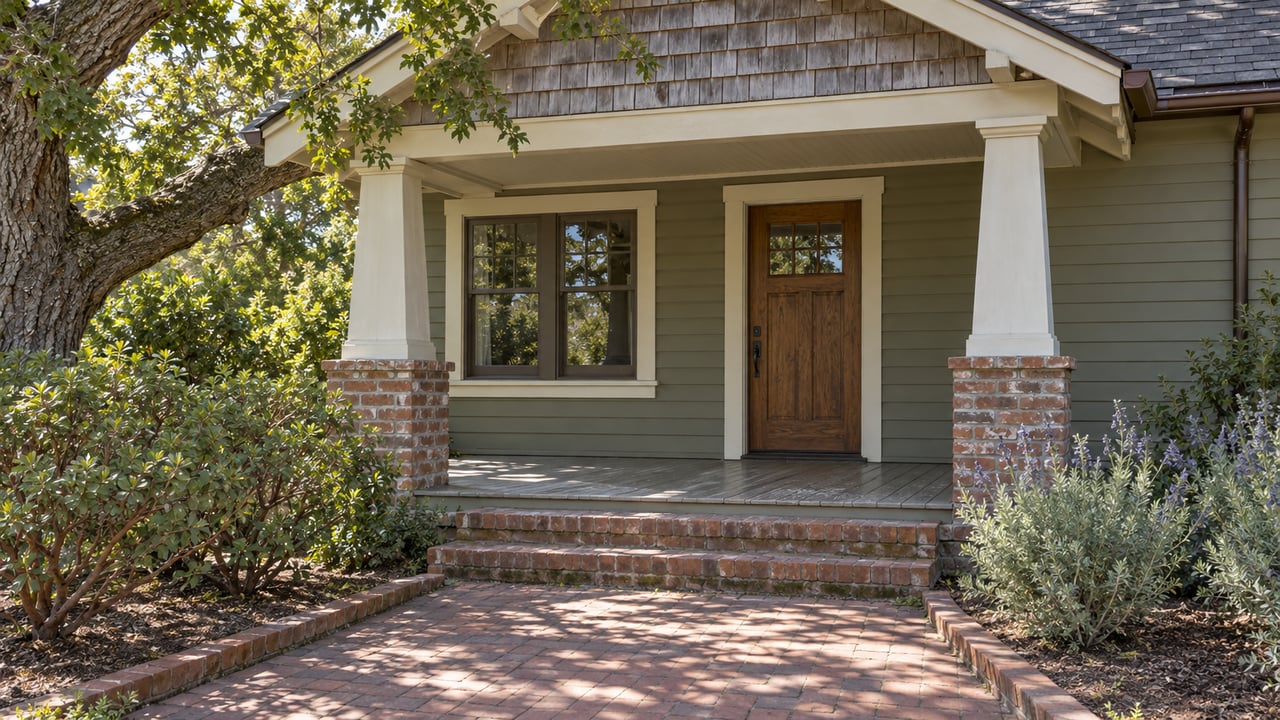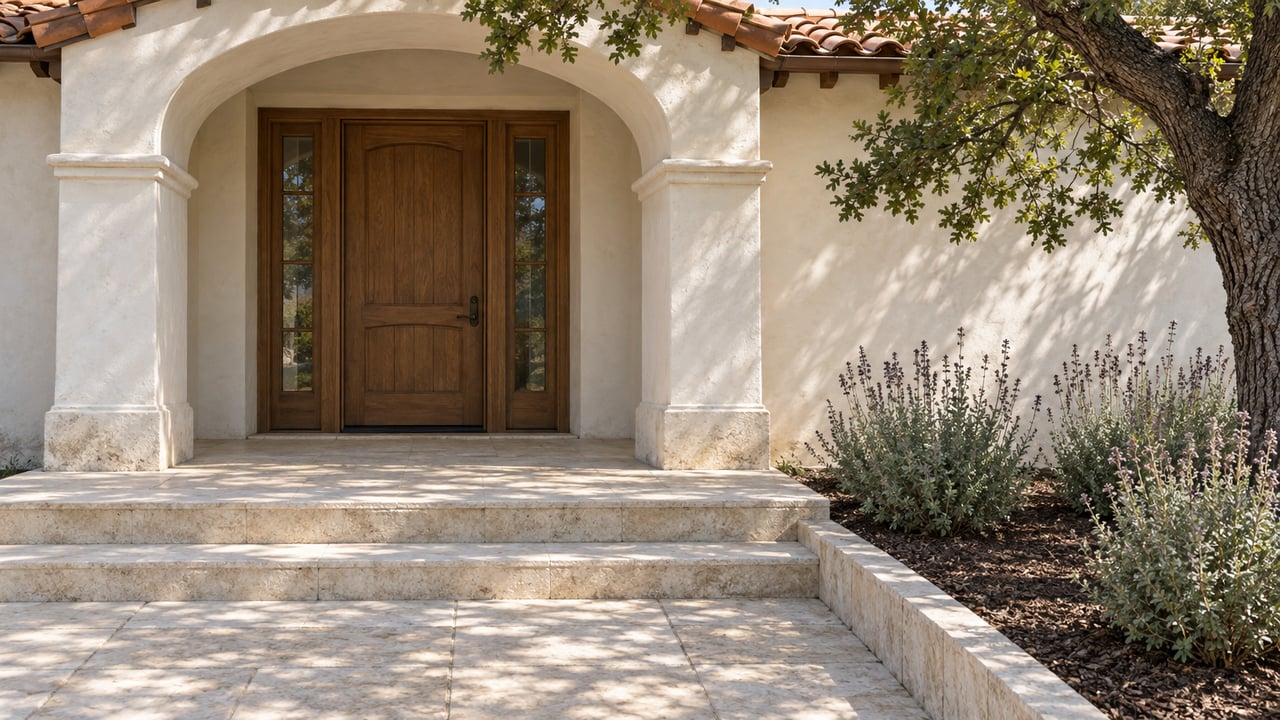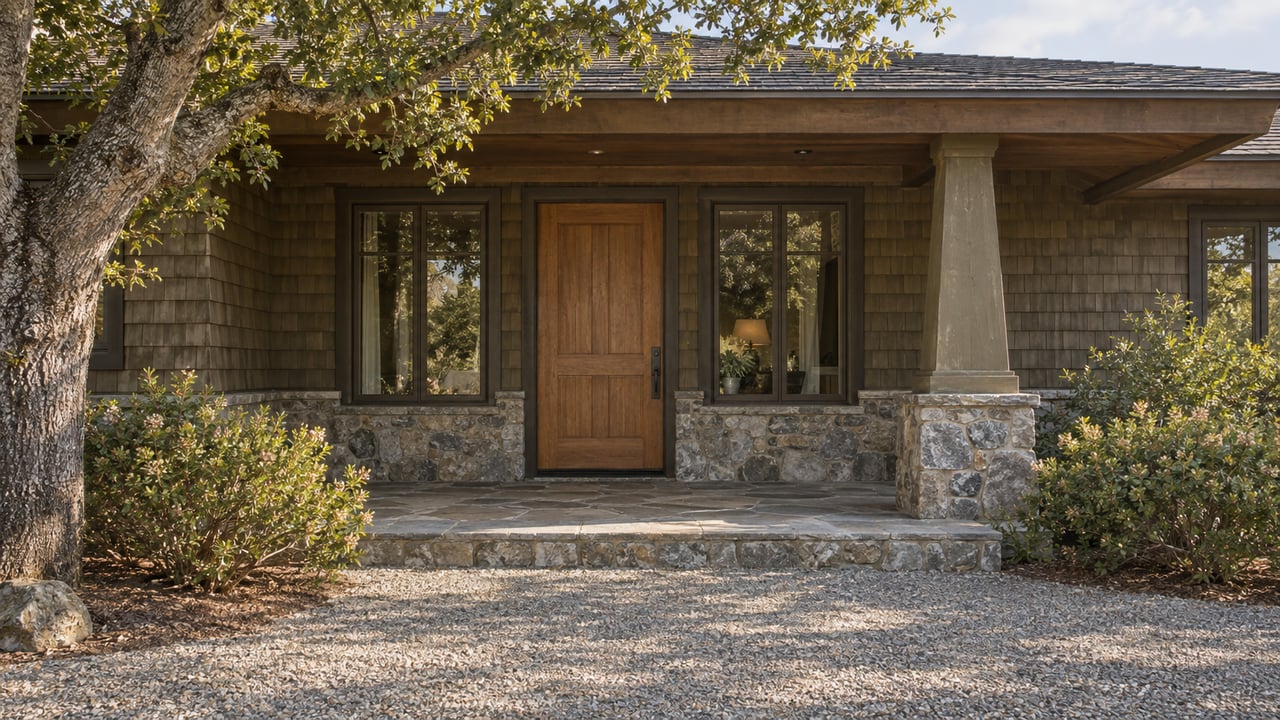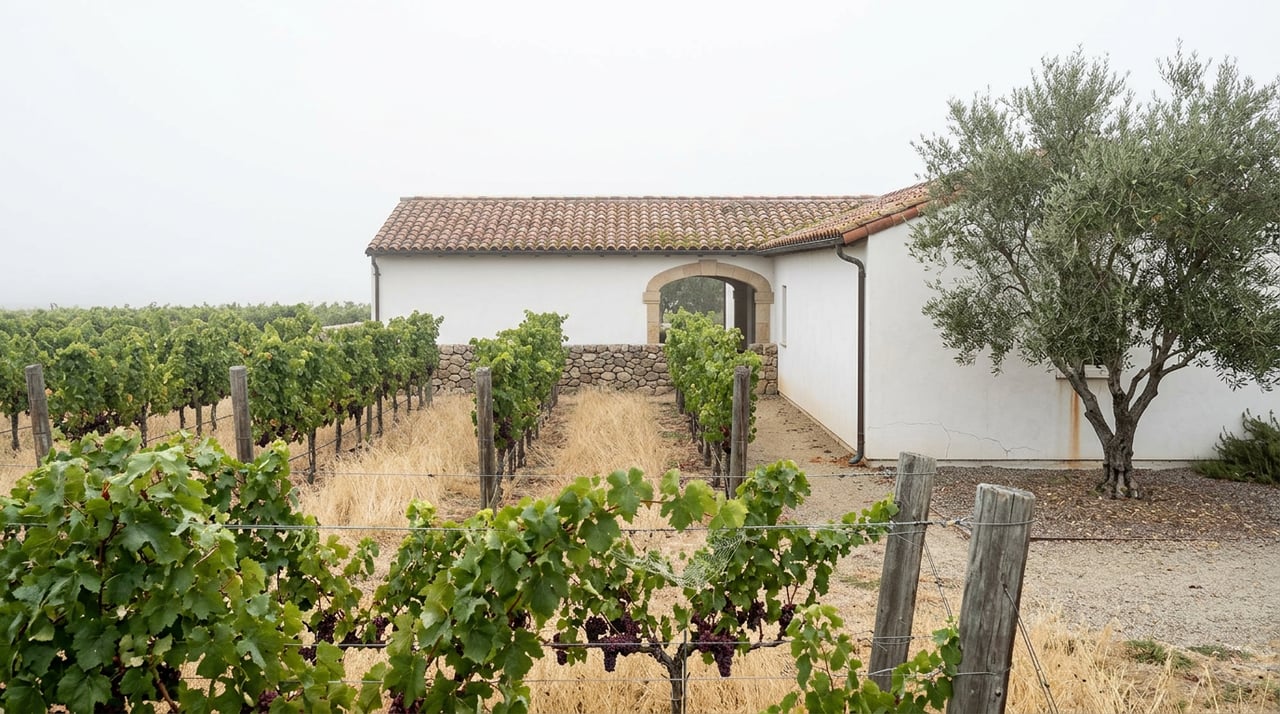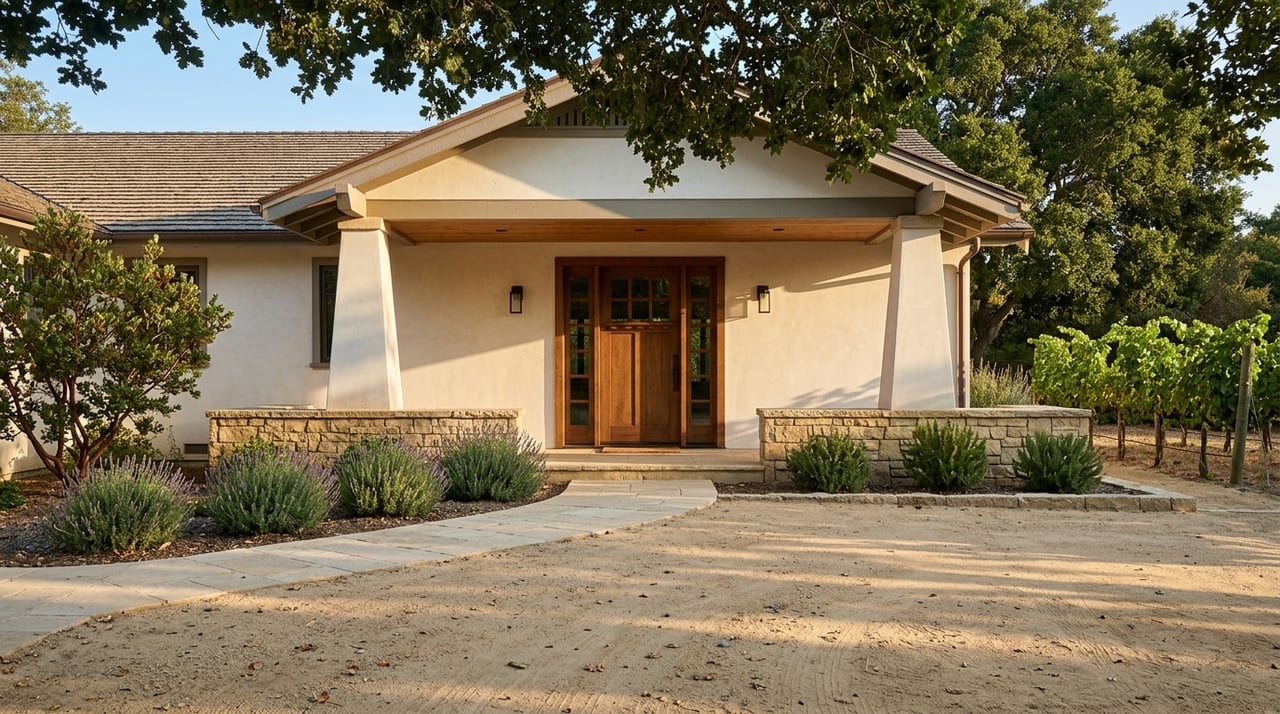
Wondering what it really feels like to own or buy an estate in Chalk Hill? This pocket of Sonoma County offers a different kind of wine-country experience, one defined by rolling vineyard land, low-density surroundings, and quick access to Healdsburg without the feeling of being in town. If you are drawn to acreage, privacy, views, and a property that lives as much outdoors as indoors, Chalk Hill deserves a closer look. Let’s dive in.
Why Chalk Hill Feels Different
Chalk Hill is a compact Sonoma County AVA of roughly 33 square miles, with elevations reaching about 1,600 feet according to the Alcohol and Tobacco Tax and Trade Bureau. It has more than 1,400 vineyard acres but only five wineries, which helps explain why the area feels open, quiet, and lightly developed.
From the ground, Chalk Hill can be easy to miss. Sonoma County Tourism’s overview of Healdsburg notes that from Windsor, Chalk Hill Road climbs into the hills and through a small vineyard valley before reaching Alexander Valley. That approach is part of the appeal. You are close to familiar wine-country destinations, but the setting feels tucked away.
Access to Healdsburg and Windsor
One of Chalk Hill’s strongest lifestyle advantages is proximity. The area is about a 10-minute drive from Healdsburg, which serves as the closest lifestyle hub and a natural center for dining, tasting rooms, and day-to-day convenience.
Healdsburg is especially notable for its wine focus. Sonoma County Tourism reports that Alexander, Dry Creek, and Russian River valleys all meet there, with 92 wineries within city limits and 26 tasting rooms downtown. Windsor anchors the area immediately to the south, giving you another practical base nearby.
For many buyers, this balance matters. You can enjoy a more private estate setting in Chalk Hill while keeping easy access to restaurants, tasting experiences, and services in town.
Climate Shapes the Lifestyle
Chalk Hill’s climate is one reason the area has such a distinct vineyard identity. The TTB’s Chalk Hill AVA rule describes marine influence with less cool fog than the main Russian River Valley, making Chalk Hill warmer while still moderated by coastal conditions.
That creates a rhythm many owners value. Most vineyards sit in thermal belts that help protect against spring frost, and harvests usually finish by late September, even for later-ripening varieties. In practical terms, this often means a long outdoor season and an estate environment that feels active and usable through much of the year.
Terrain and Soils Define the Land
Part of Chalk Hill’s visual character comes from its varied terrain. The land includes rolling to steep hills, benchlands, tablelands, and terraced slopes, according to the TTB source material.
The soils are equally distinctive, with white volcanic ash, quartzite-rich volcanic tuff, and a mix of sandy-to-silt-loam, clay, and quartzite soils. For a buyer, this helps explain why properties here often feel shaped by the land itself rather than imposed on it. Homes, vineyard blocks, driveways, and outdoor spaces tend to follow topography, views, and natural contours.
What Estates Often Include
If you picture a Chalk Hill estate, think beyond a single main house. The area’s best-known example, Chalk Hill Estate Vineyards & Winery, spans 1,300 acres and includes a residence, guest houses, stables, an equestrian pavilion, ponds, wilderness areas, and hospitality-focused spaces.
That does not mean every property is on that scale, but it does reflect the local estate vocabulary. In Chalk Hill, it is not unusual to see long drives, generous setbacks, outbuildings, guest accommodations, barns, pools, and outdoor gathering areas oriented toward vineyard views and open sky.
Recent property examples in the area reinforce that pattern. Listings cited in the research report included a large-acreage estate with a main house, guest house, pool house, barn with caretaker’s unit, vineyard acreage, and gated entrances, as well as smaller estates that still emphasized privacy, scenic positioning, and proximity to Healdsburg.
Vineyard Living in Chalk Hill
Chalk Hill is known for varieties including Chardonnay, Sauvignon Blanc, Cabernet Sauvignon, Cabernet Franc, and Merlot, with Semillon, Syrah, Sangiovese, Zinfandel, and some Pinot Noir also planted in suitable exposures, according to Sonoma County Tourism’s Chalk Hill appellation guide.
For you as a buyer, that means the landscape is not just scenic. It is an active agricultural setting with a strong identity tied to vines, harvest timing, and land stewardship. Even if you are not seeking a production vineyard, the visual rhythm of vineyard rows and the seasonal cadence of wine country are part of daily life here.
If you are considering hobby vineyard potential, it is important not to make assumptions. Sonoma County’s VESCO program page explains that new or replanted vineyards and orchards must meet county standards and best-management practices, so slope, drainage, habitat constraints, and permit history all matter.
Zoning and Land Use Matter
In Chalk Hill, acreage alone does not tell the whole story. Zoning and county land-use rules can shape what is feasible on a parcel, especially if you are considering crops, animals, or future agricultural improvements.
The UC Agriculture and Natural Resources zoning summary notes that AR, or Agriculture and Residential, can allow unlimited crop and animal production on parcels of two or more acres, while RR, or Rural Residential, limits agricultural activity regardless of parcel size. It also notes that RRD is a very low-density category intended to protect resource lands.
This is where careful property-level diligence becomes essential. Sonoma County’s official assessor parcel search is the tool referenced in the research for confirming zoning and land-use details on a specific parcel.
Seasonal Rhythm of Estate Living
Part of the appeal of Chalk Hill is that it works for more than one style of ownership. Some properties are well suited to full-time living, while others fit naturally as a weekend retreat or seasonal second home.
Sonoma County Tourism’s wine travel guide highlights early spring, early summer, and late September to early October as especially strong windows in wine country. Late summer and autumn bring harvest energy, while winter tends to feel quieter and mistier.
That seasonal mix supports the way many wine-country estates are used. Guest quarters, pools, barns, covered outdoor spaces, and entertaining areas can make a property feel equally appealing for everyday living, extended visits, or hosting friends and family.
Who Chalk Hill Often Appeals To
Chalk Hill tends to resonate with buyers looking for a specific kind of Sonoma experience. If you value privacy, acreage, and a stronger connection to land than to downtown foot traffic, this area can be a compelling fit.
It also appeals to buyers who want proximity without constant activity. Being close to Healdsburg and Windsor gives you options, while the estate setting itself remains more secluded and rural in feel. That combination is hard to replicate in more built-up wine-country locations.
What to Evaluate Before You Buy
If you are exploring a Chalk Hill estate, it helps to look at the property through both a lifestyle and land-use lens. A beautiful setting is only part of the picture.
Key questions often include:
- How close is the property to Healdsburg or Windsor for your daily needs?
- What are the parcel’s zoning and land-use designations?
- Are there existing vineyards, outbuildings, guest spaces, or equestrian improvements?
- If you want to plant or replant vines, what county standards and site constraints apply?
- How does the topography affect access, privacy, views, and usable outdoor space?
- Is the property better suited to full-time living, seasonal use, or a hybrid of both?
For many Chalk Hill purchases, thoughtful due diligence is part of protecting both your investment and your enjoyment of the property.
Why Local Guidance Matters
Chalk Hill is not a one-size-fits-all market. Estate properties can vary widely in acreage, improvements, vineyard potential, and relationship to nearby towns. That is part of what makes the area so compelling, but it also means local context matters.
Whether you are considering a private second home, a vineyard estate, or a more complex landholding, working with someone who understands Northern Sonoma County’s submarkets can help you compare opportunities with more clarity. The details that shape value here often live in the land itself, the setting, and the practical realities behind the lifestyle.
If you are considering buying or selling in Chalk Hill or the greater Healdsburg wine-country market, Graham Sarasy offers discreet, informed guidance tailored to distinctive estates, vineyards, and rural lifestyle properties.
FAQs
What is Chalk Hill in Sonoma County?
- Chalk Hill is a Sonoma County American Viticultural Area of about 33 square miles known for vineyard land, rolling hills, and a low-density wine-country setting near Healdsburg and Windsor.
How close is Chalk Hill to Healdsburg?
- The Chalk Hill area is about a 10-minute drive from Healdsburg, according to Sonoma County Tourism.
What kinds of homes are common in Chalk Hill?
- Chalk Hill properties often include multi-acre estates with long driveways, guest quarters, barns, pools, outbuildings, and outdoor spaces oriented to views, vines, and privacy.
Can you plant a vineyard on a Chalk Hill property?
- Possibly, but you should verify zoning, permit history, slope, drainage, habitat constraints, and county requirements through Sonoma County’s vineyard ordinance framework and parcel-level review.
Is Chalk Hill good for full-time or second-home living?
- Chalk Hill can suit either, depending on the property, with many estates offering a mix of privacy, outdoor living, and convenient access to Healdsburg and Windsor.
What makes Chalk Hill different from other Sonoma wine areas?
- Chalk Hill stands out for its warmer but still marine-influenced climate, varied volcanic and loamy soils, low winery count, and estate-oriented landscape close to Healdsburg.